A campaign concept that turns ATLAS vending machines into living virtual-pet habitats, reconnecting time-poor urban commuters with Malaysian wildlife through small, repeatable acts of care.
01 — Industry brief
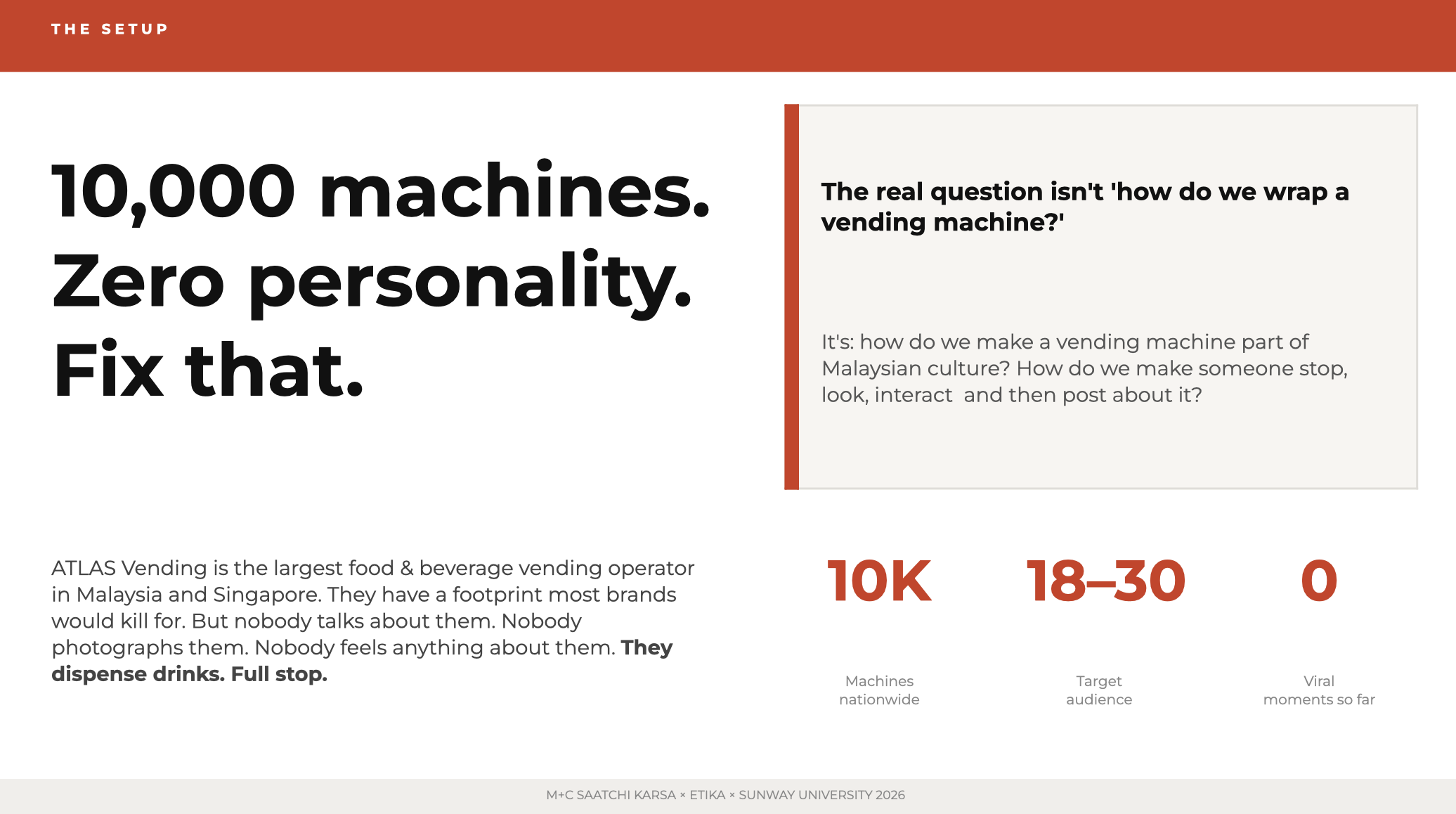
Reimagining 10,000 machines
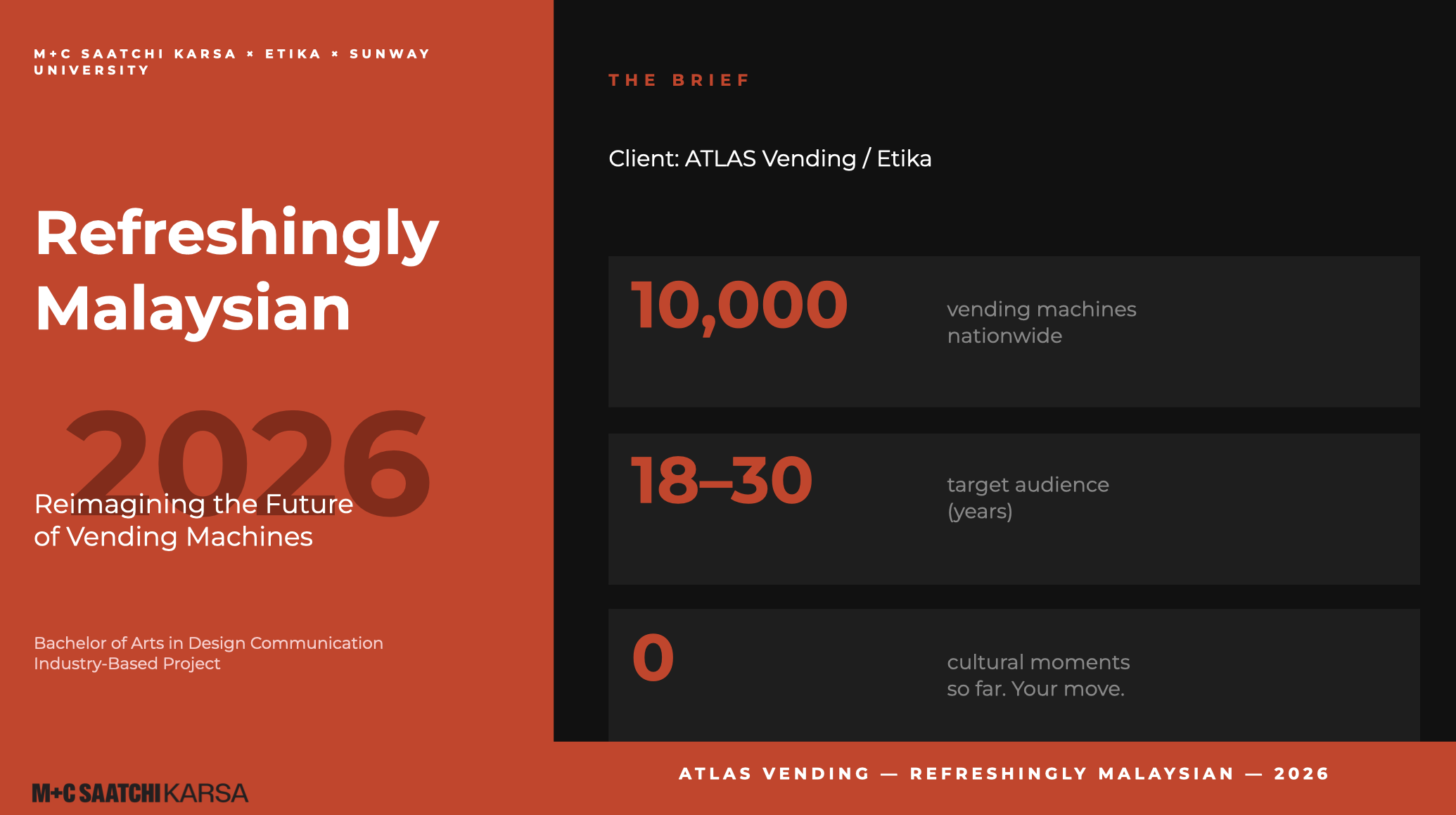
A live industry brief from ATLAS Vending and Etika, developed with M+C Saatchi Karsa, challenged us to make an established vending network meaningful to Gen Z audiences aged 18–30. Our response approached the task like an agency pitch: behavioural idea first, campaign ecosystem second.
02 — Problem & insight
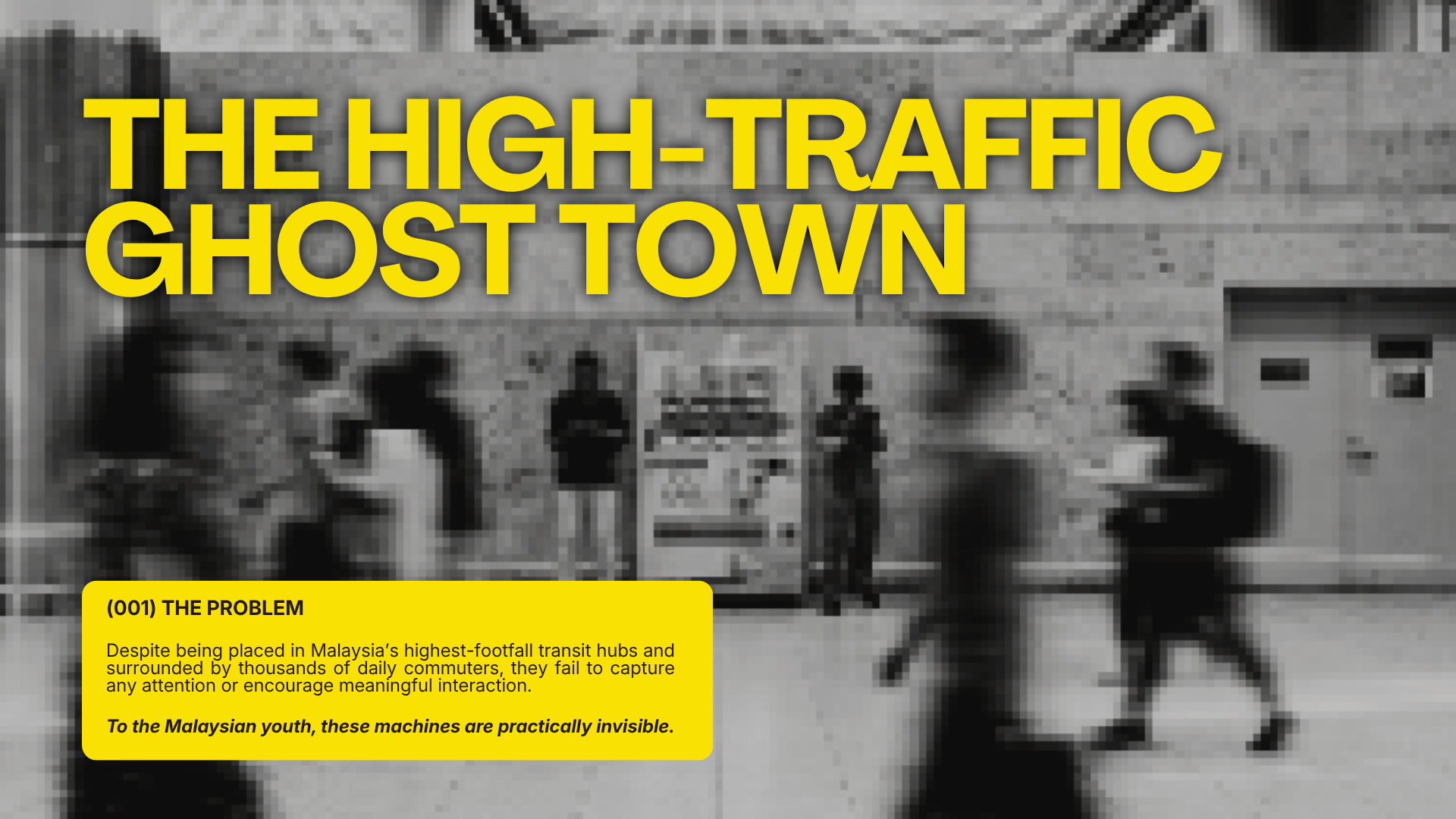
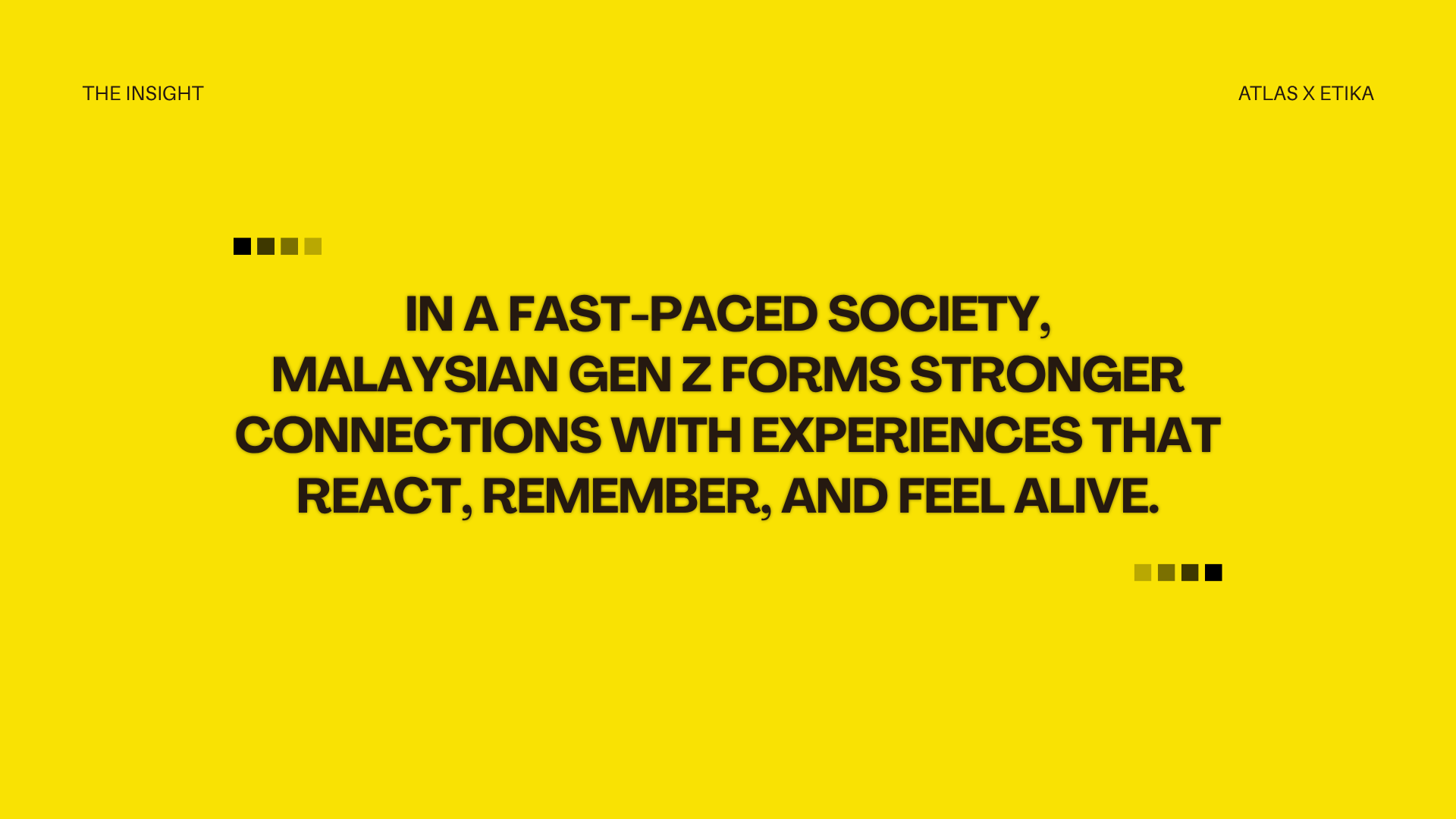
A high-traffic ghost town
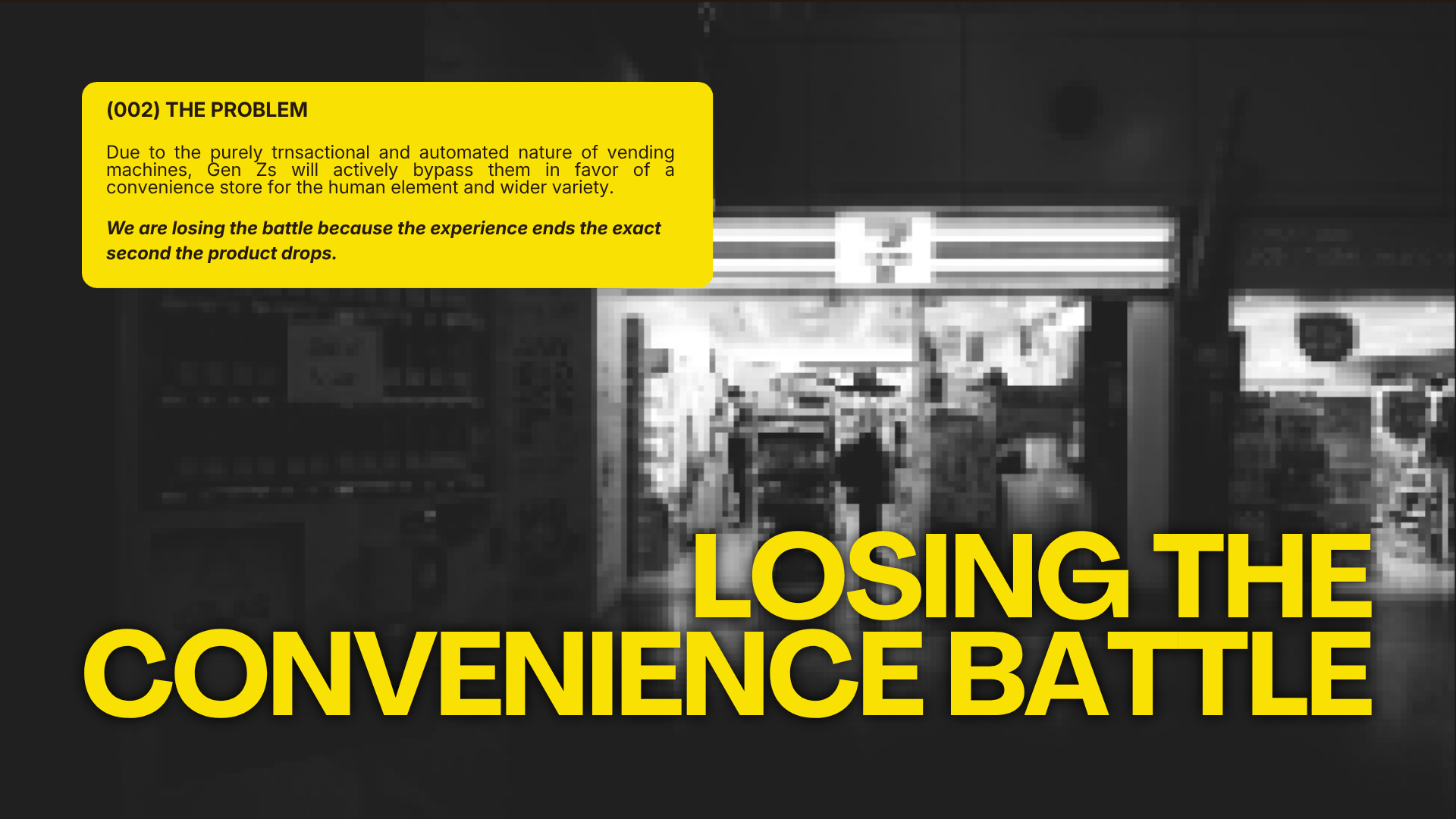
Machines sit in busy places but remain emotionally invisible. We reframed each one as something living and reactive: a small habitat whose character changes through transactions, attention, and continued care.
03 — Big idea
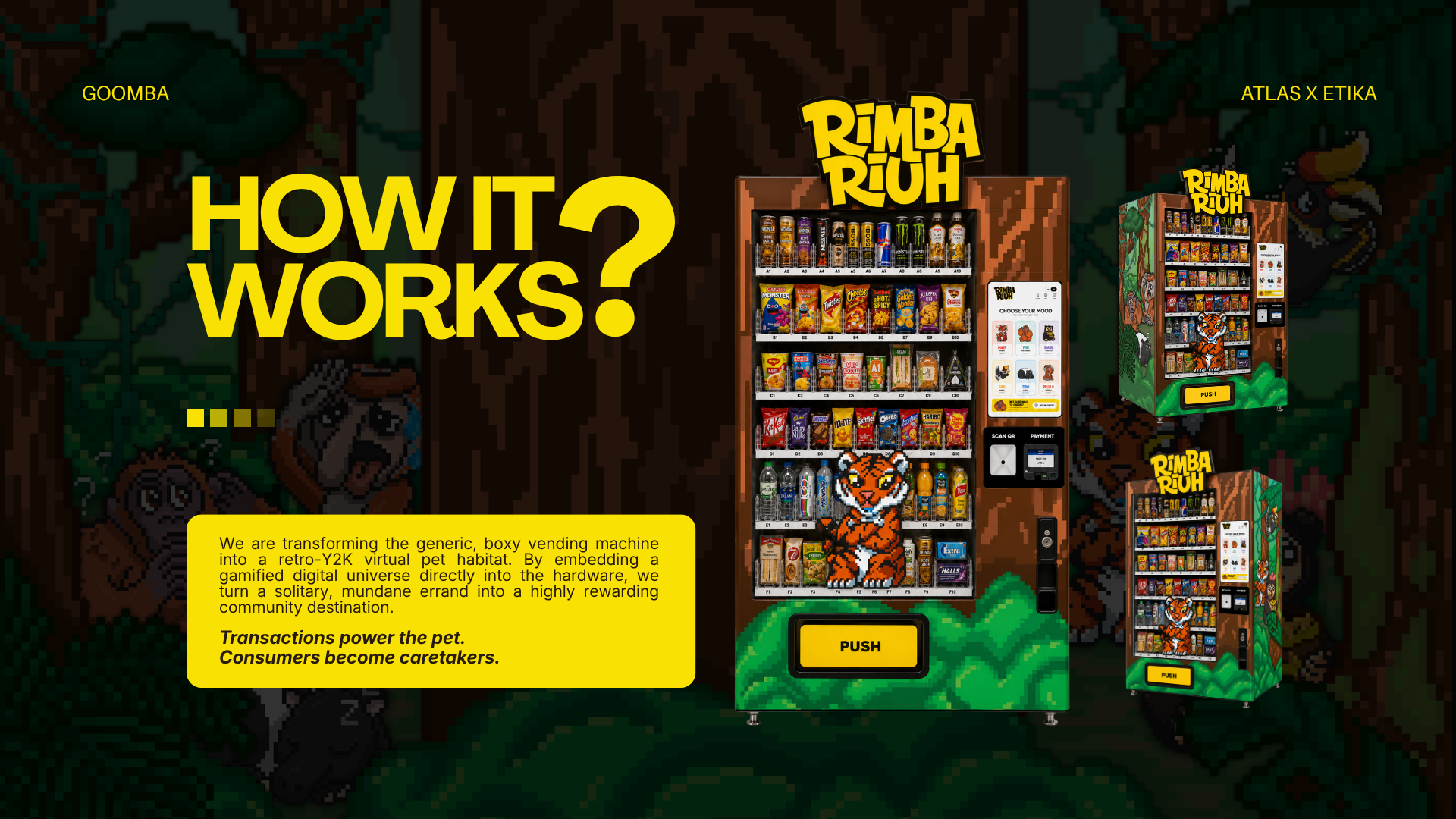
Transactions power the pet
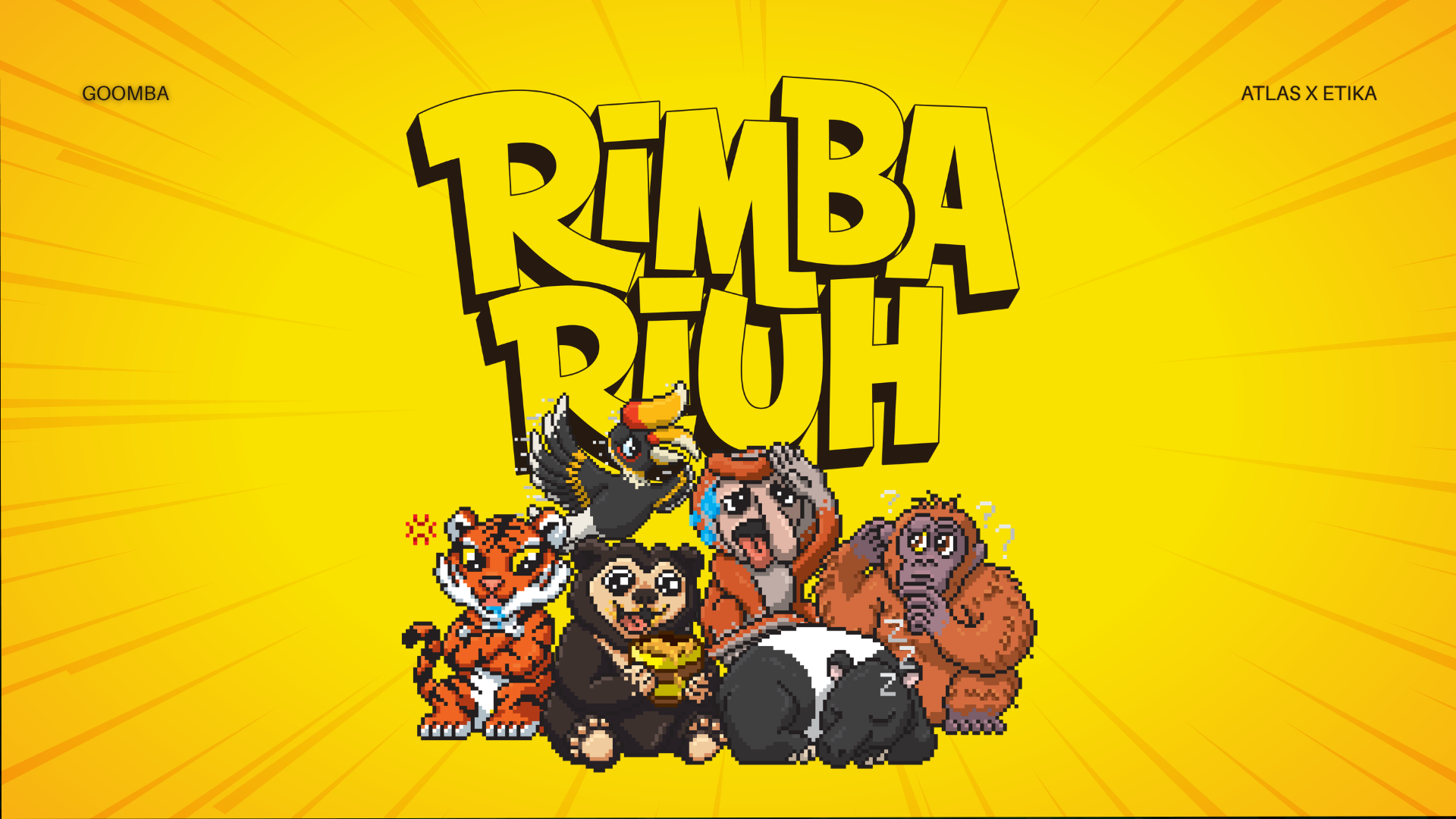
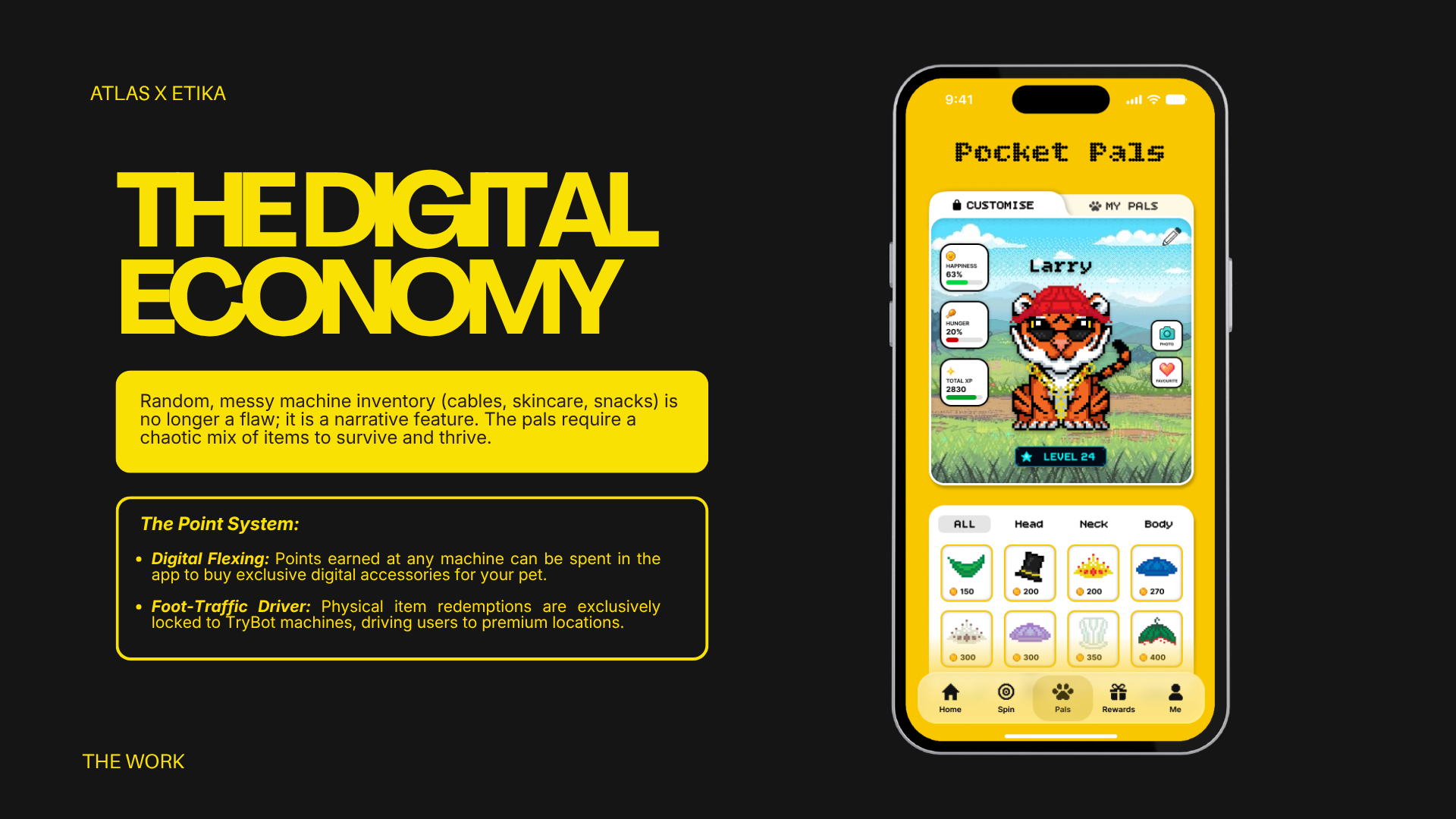
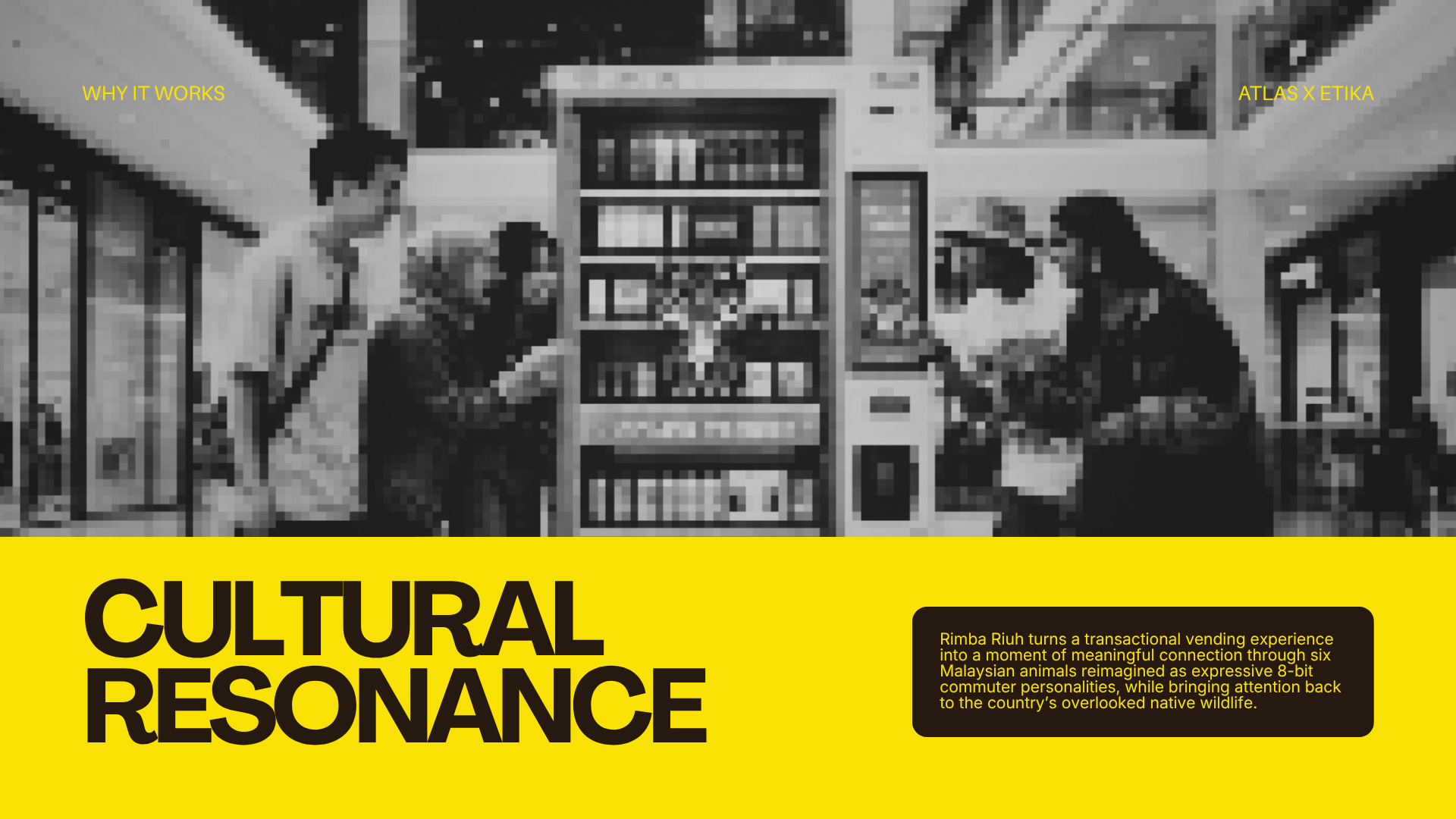
RIMBA RIUH combines Malaysian wildlife with the noisy rhythm of commuting and the nostalgic logic of a virtual pet. Consumers become caretakers; ordinary purchases become tiny contributions to a character’s wellbeing.
.png)
04 — Character system
Six personalities from the rimba
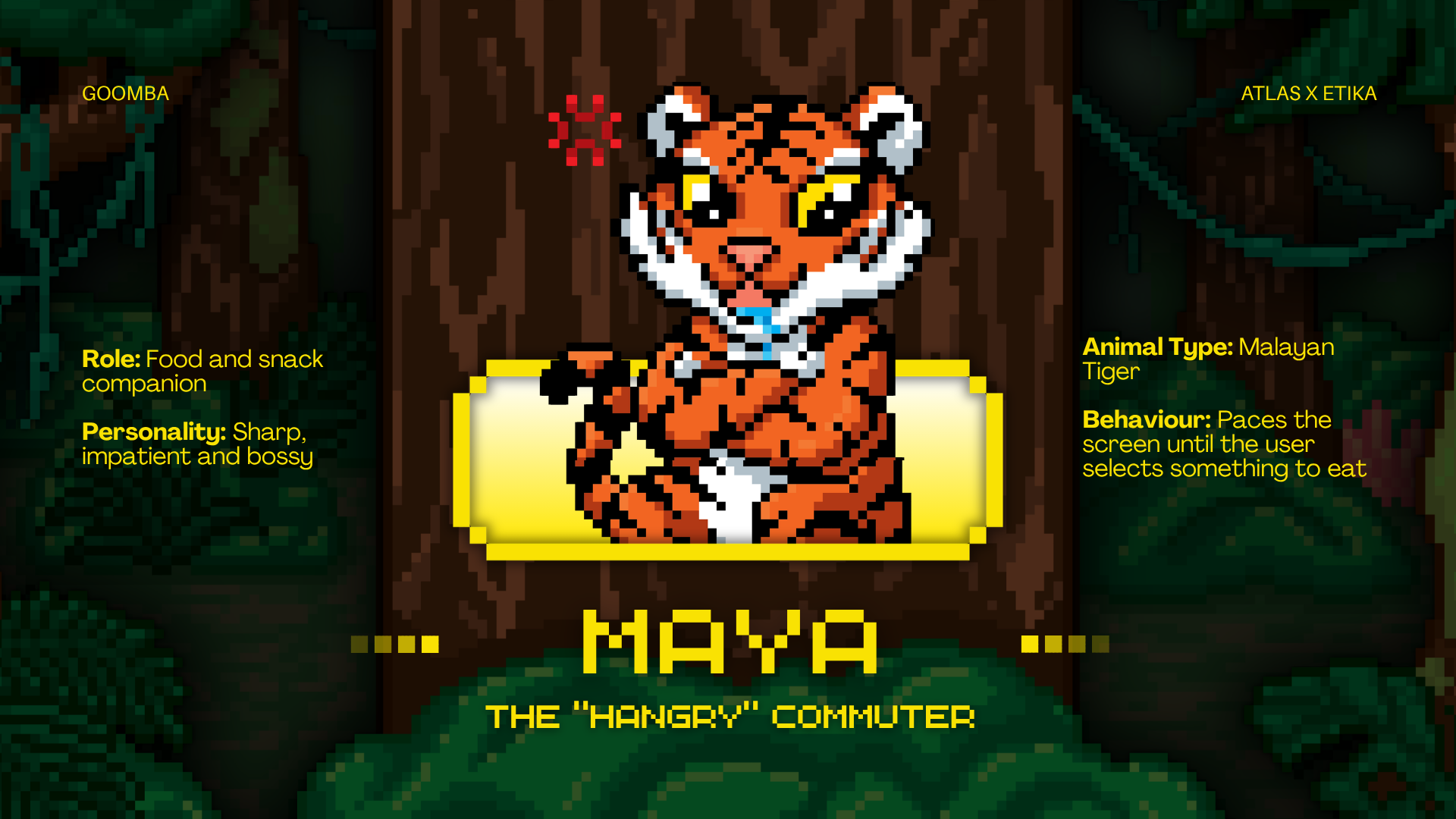
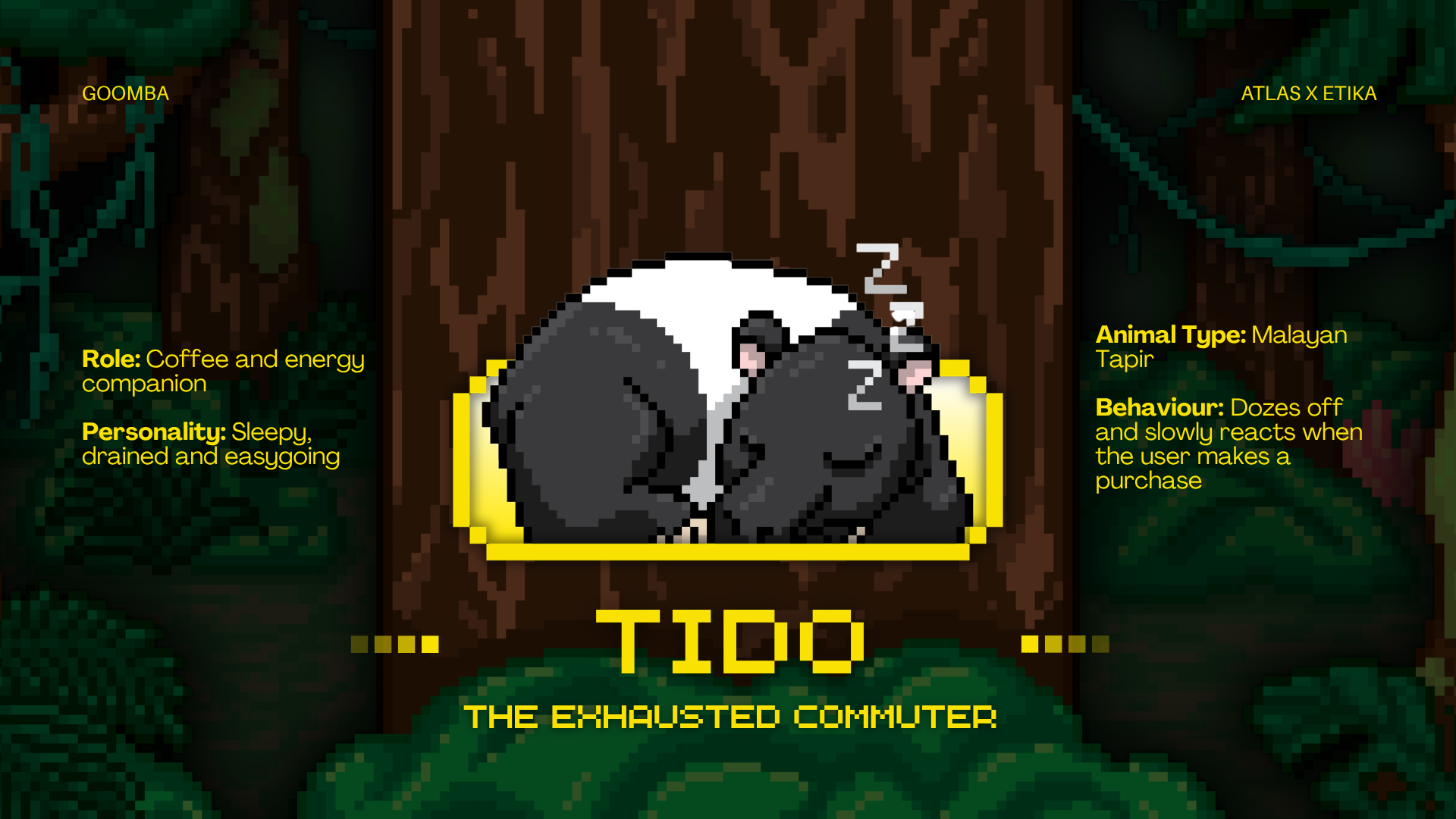
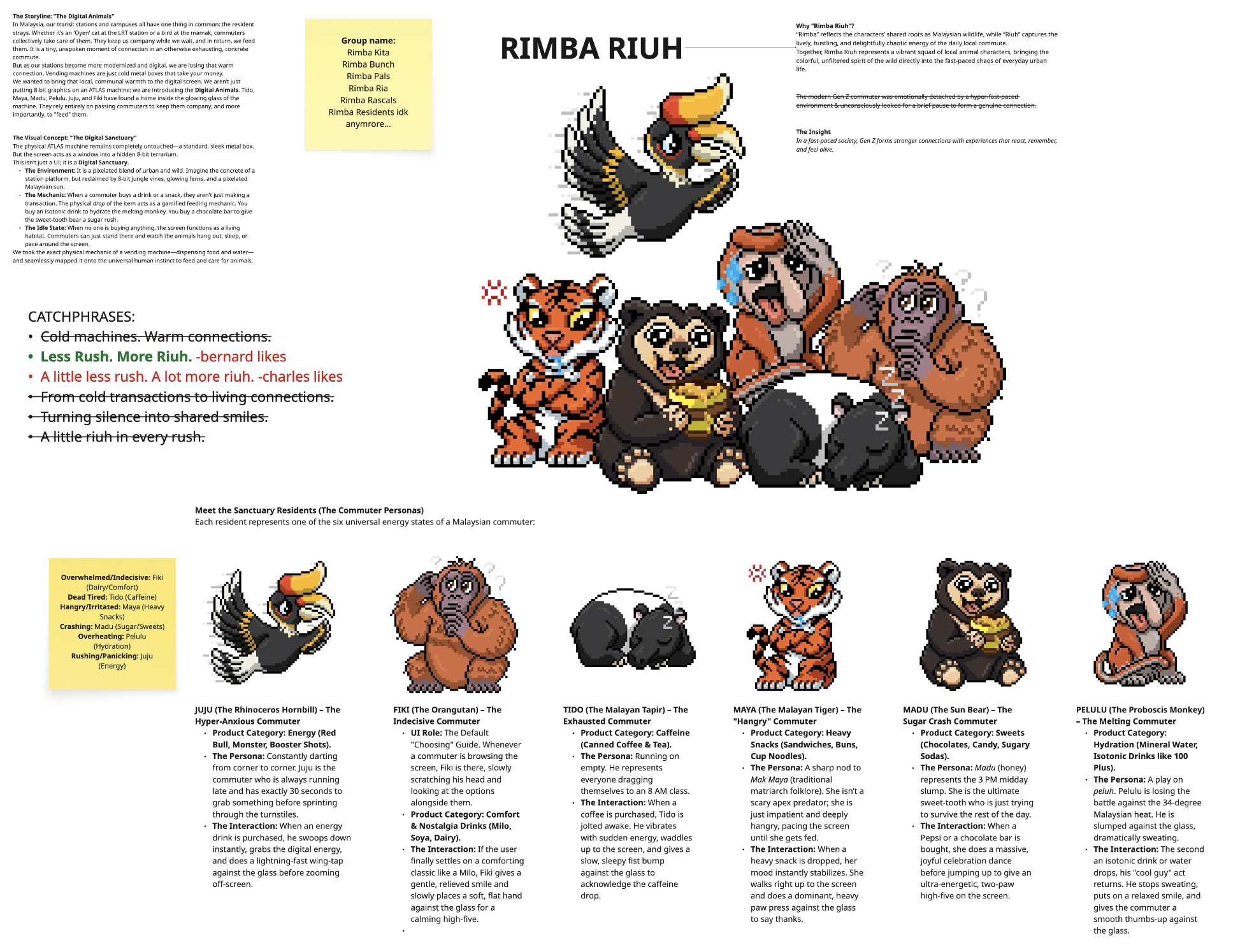
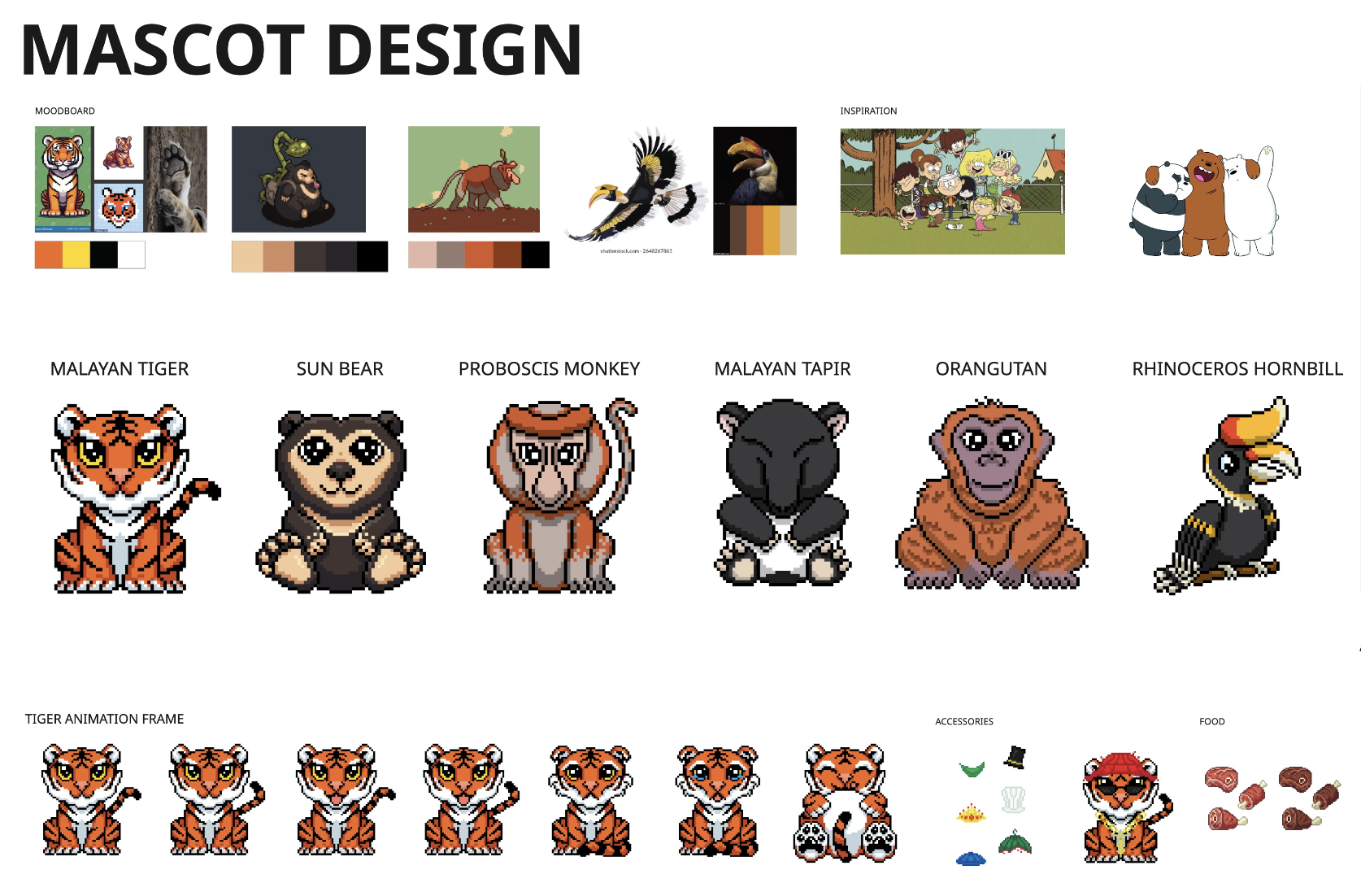
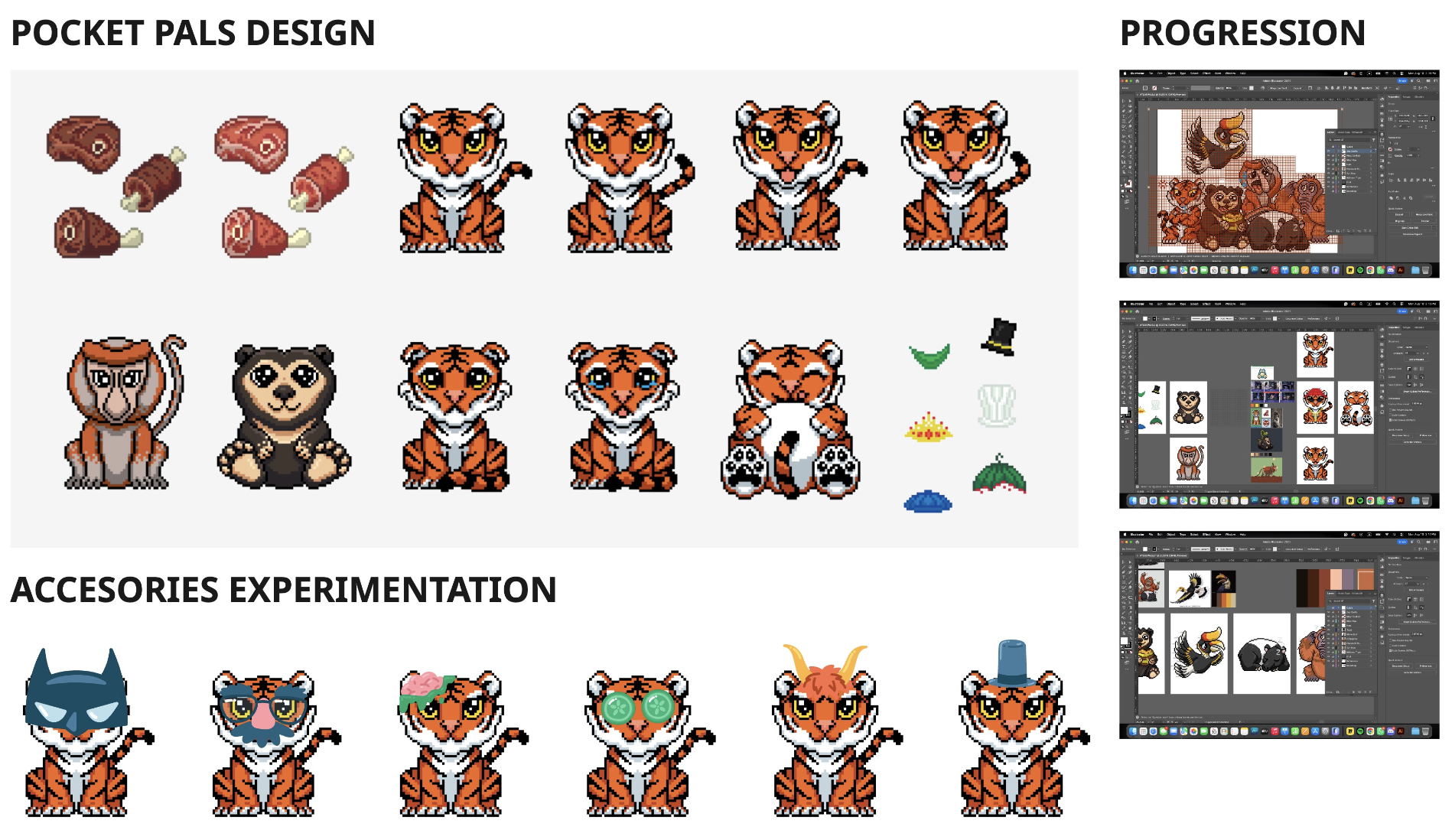
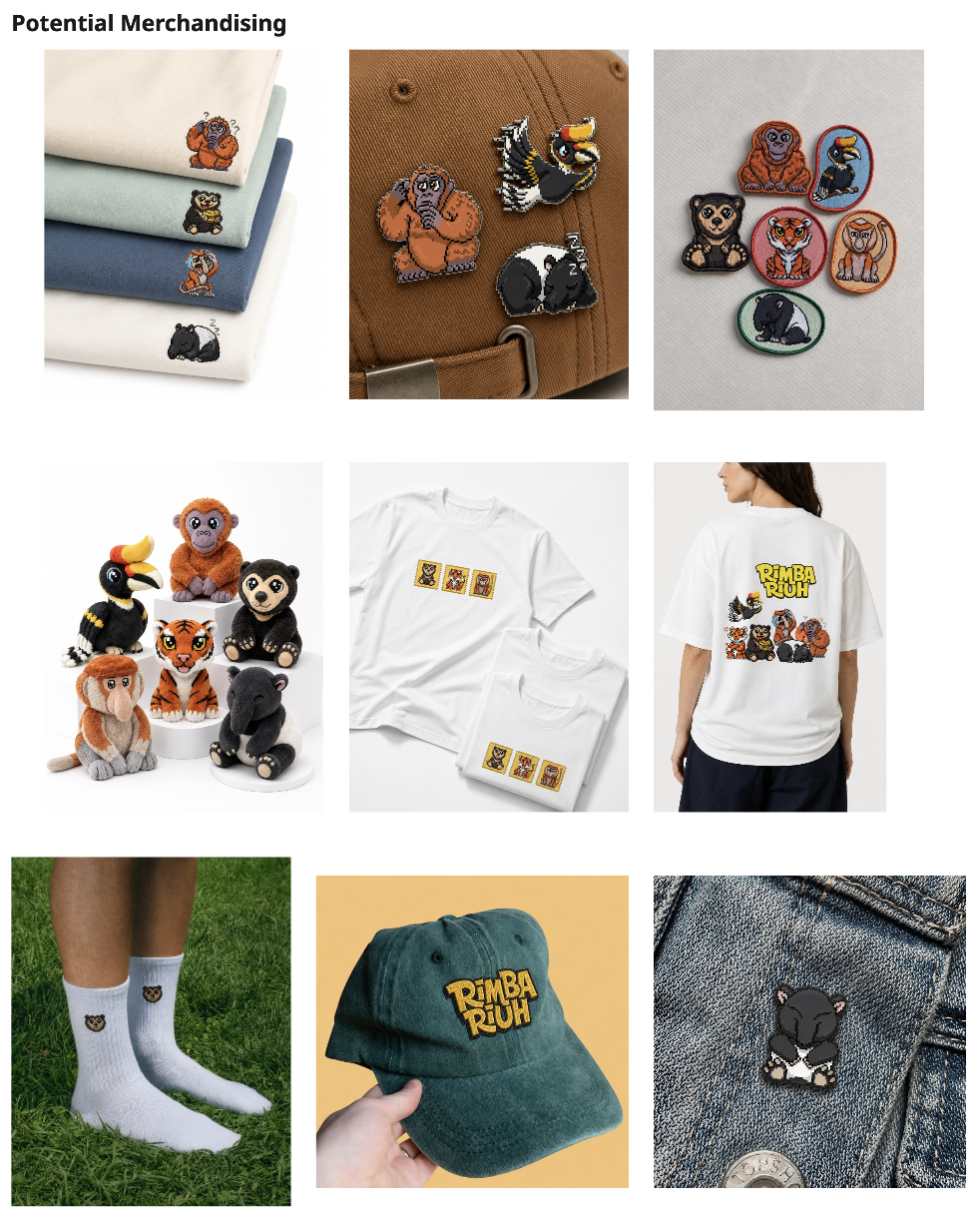
Maya, Tido, Madu, Pelulu, Juju, and Fiki translate Malaysian wildlife into expressive companions. Each character gives the platform a distinct mood while keeping the wider identity playful and collectible.
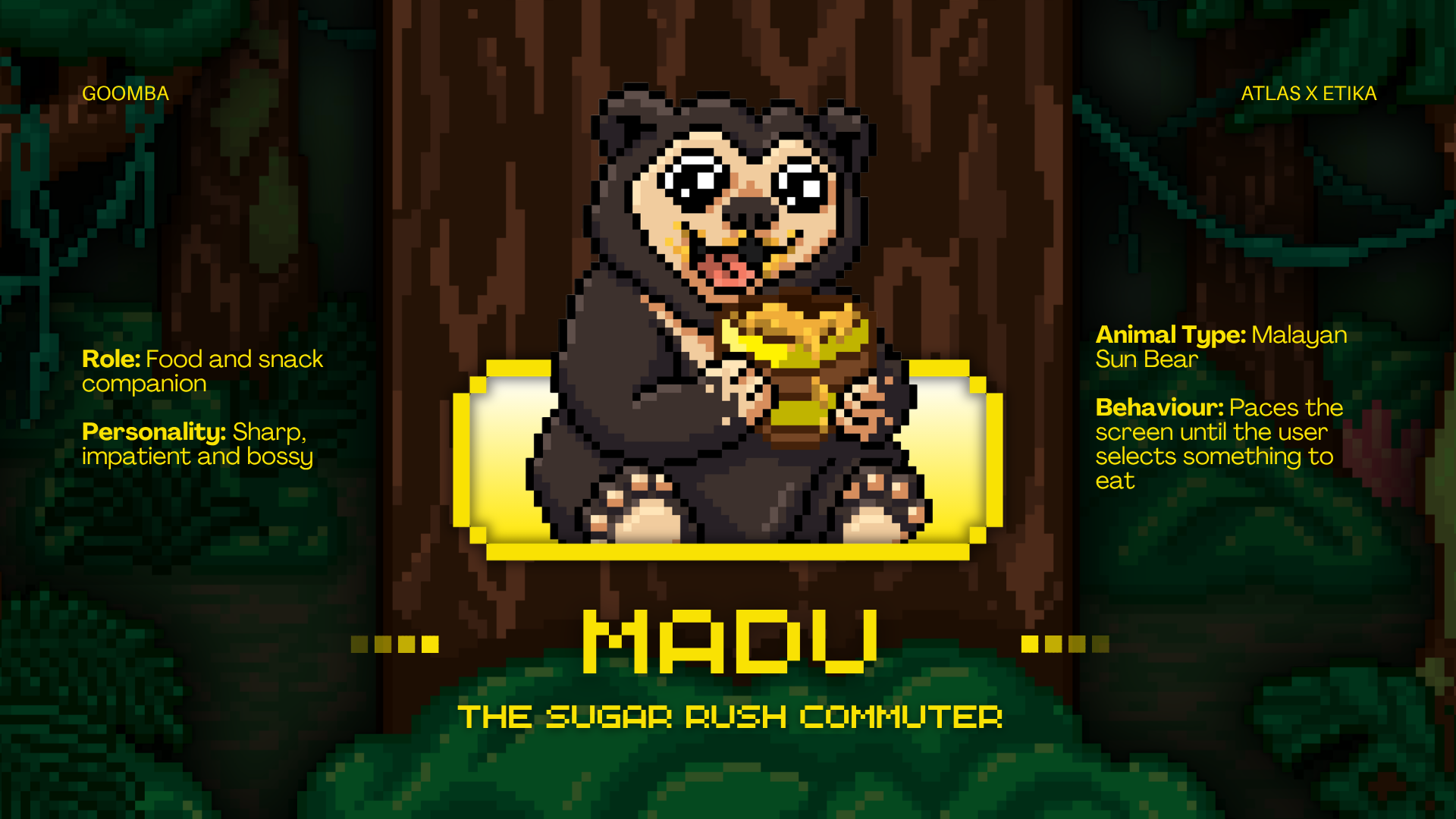
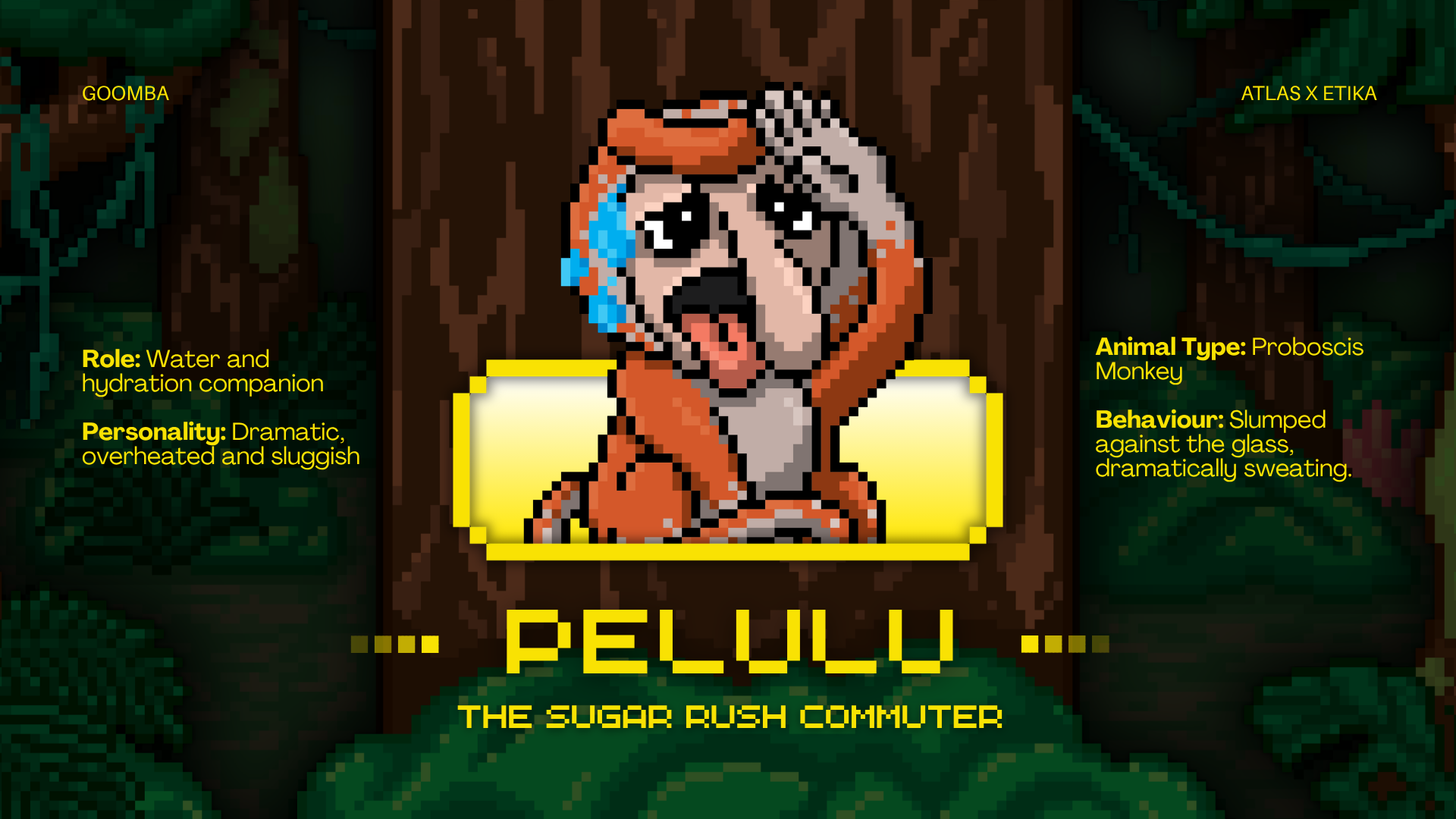
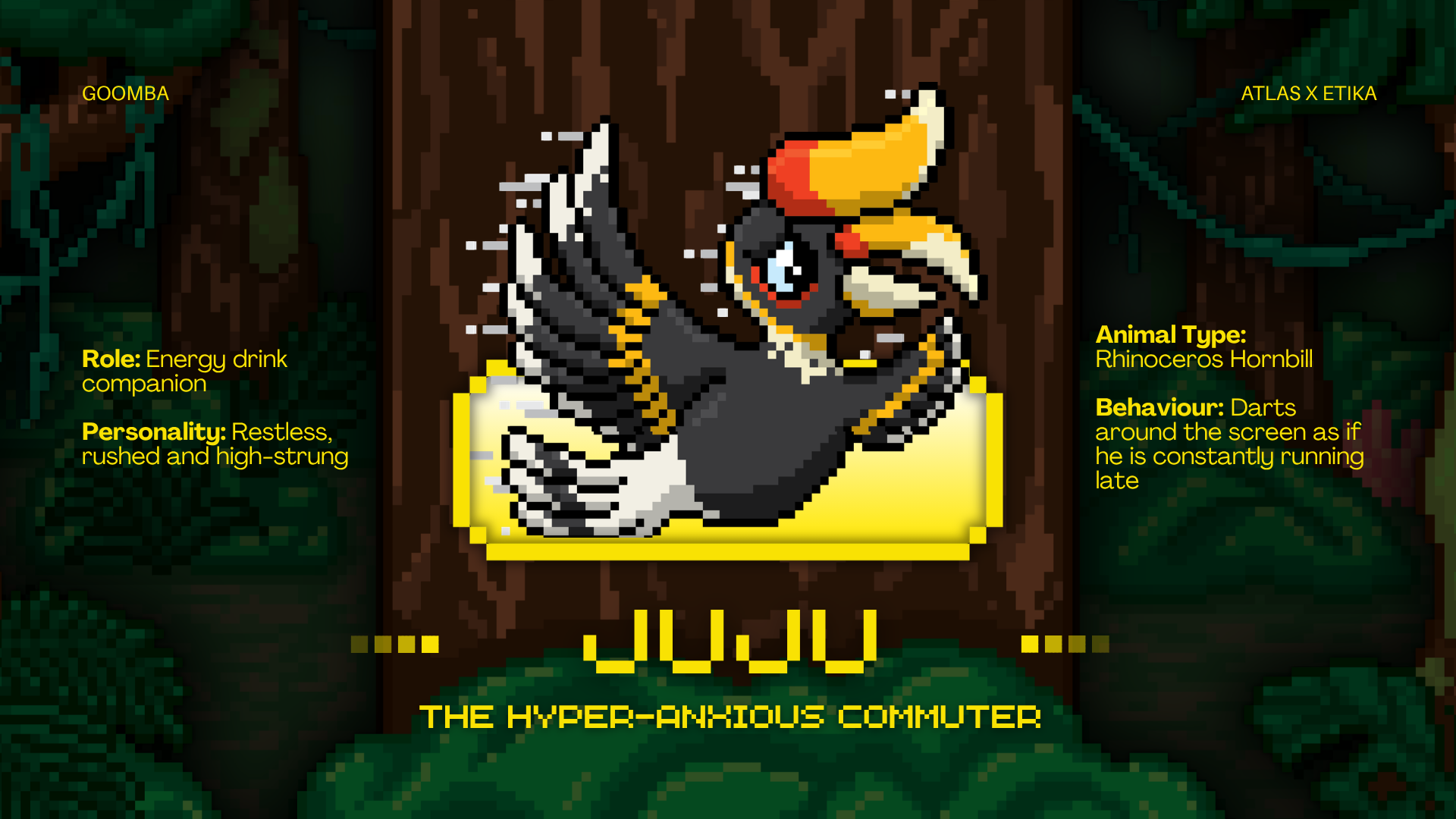
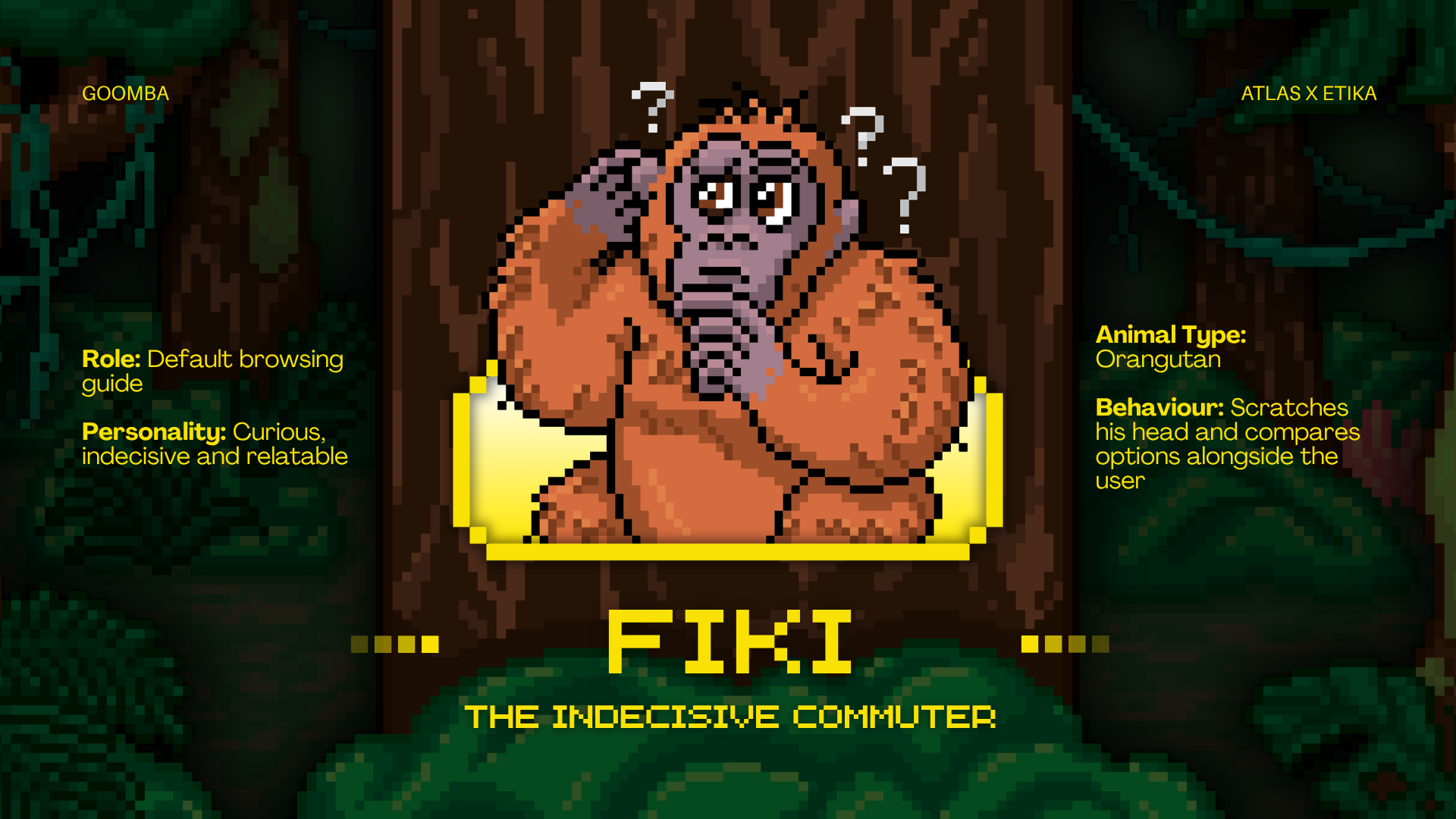
05 — Mechanics
A care loop built into the commute
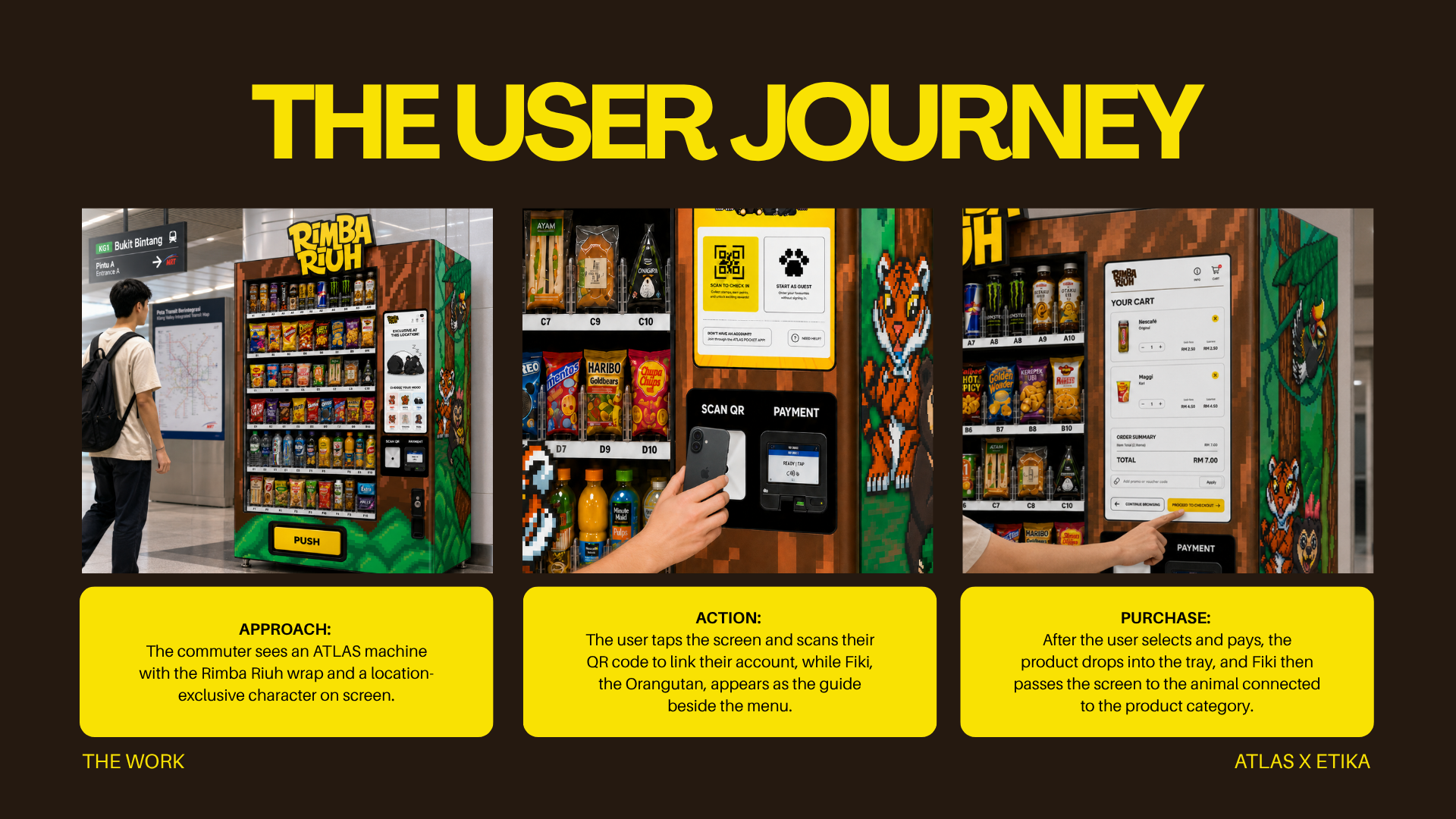
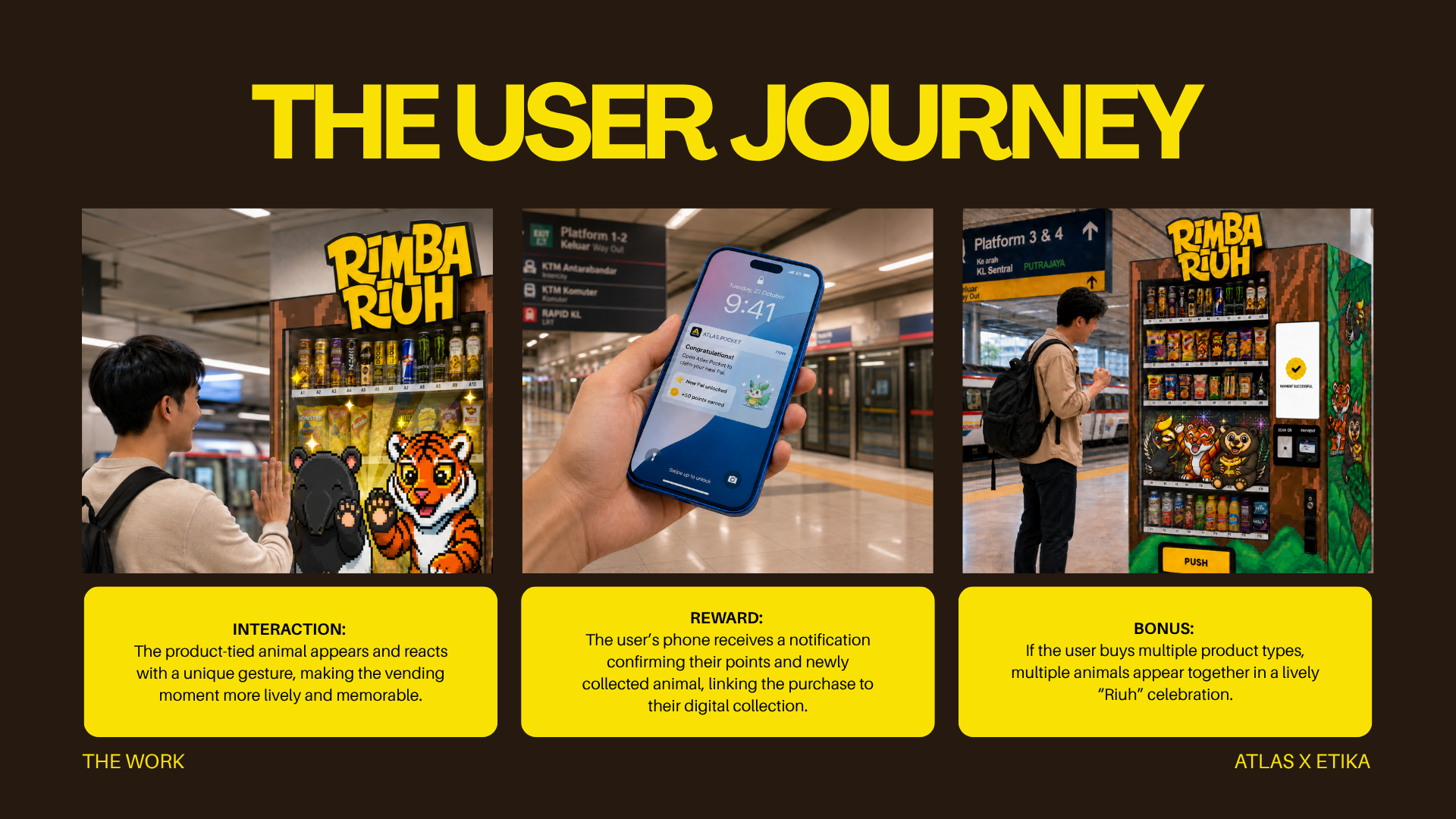
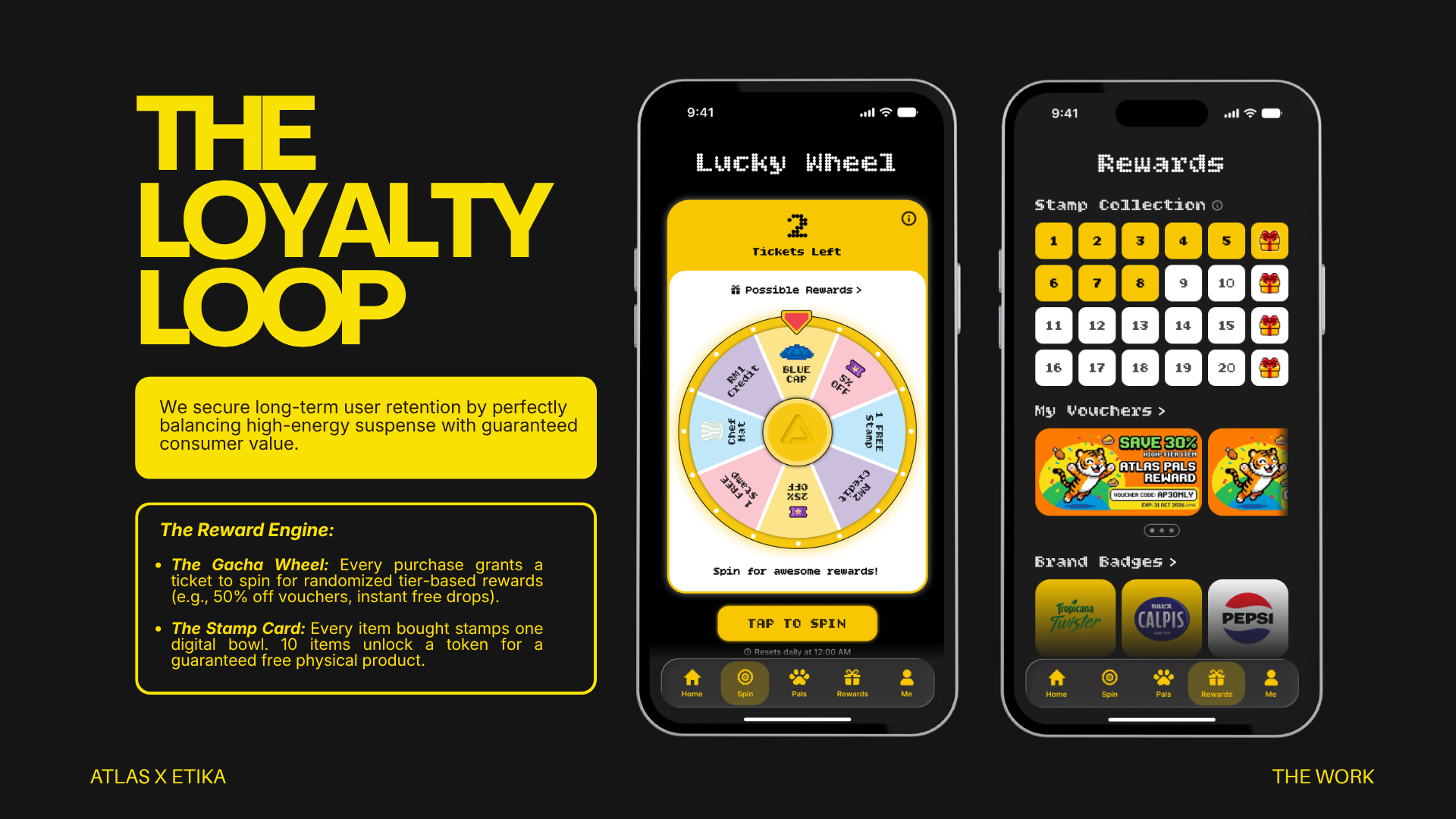
The user journey connects discovery, purchase, character response, rewards, and return visits. The mechanics needed to feel immediate at the machine while leaving enough depth for an ongoing relationship.
06 — Companion platform
ATLAS Pocket
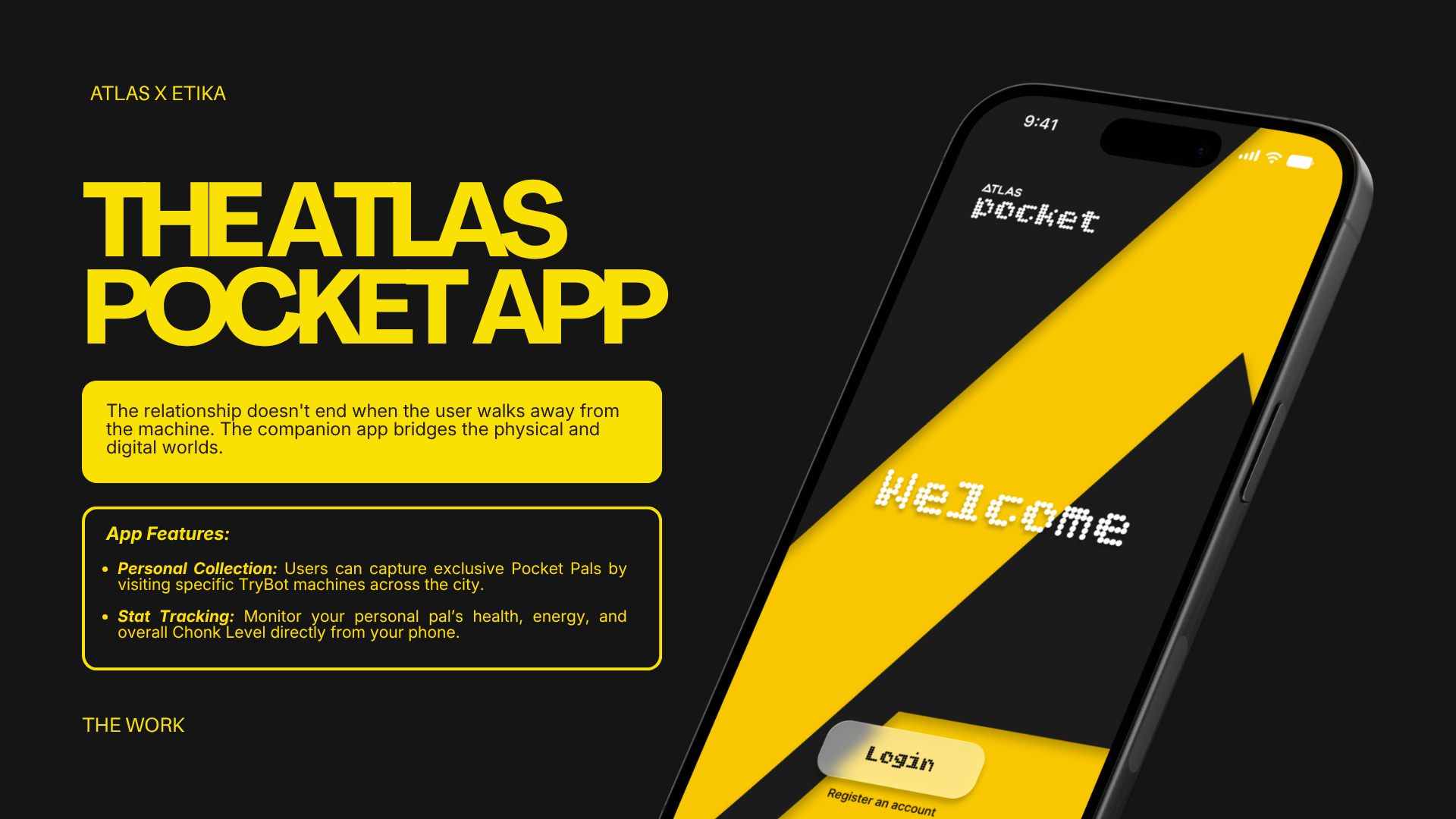
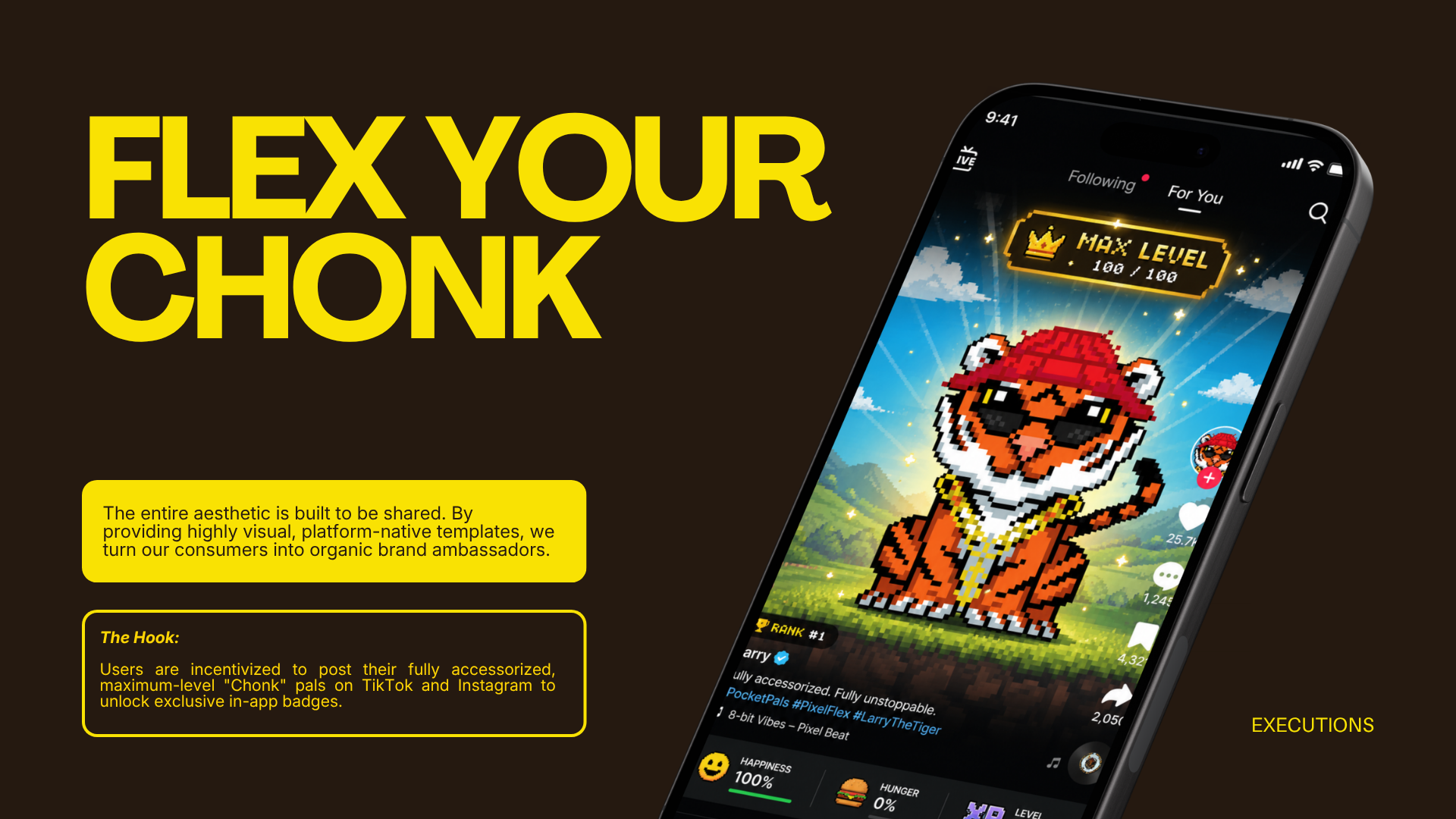
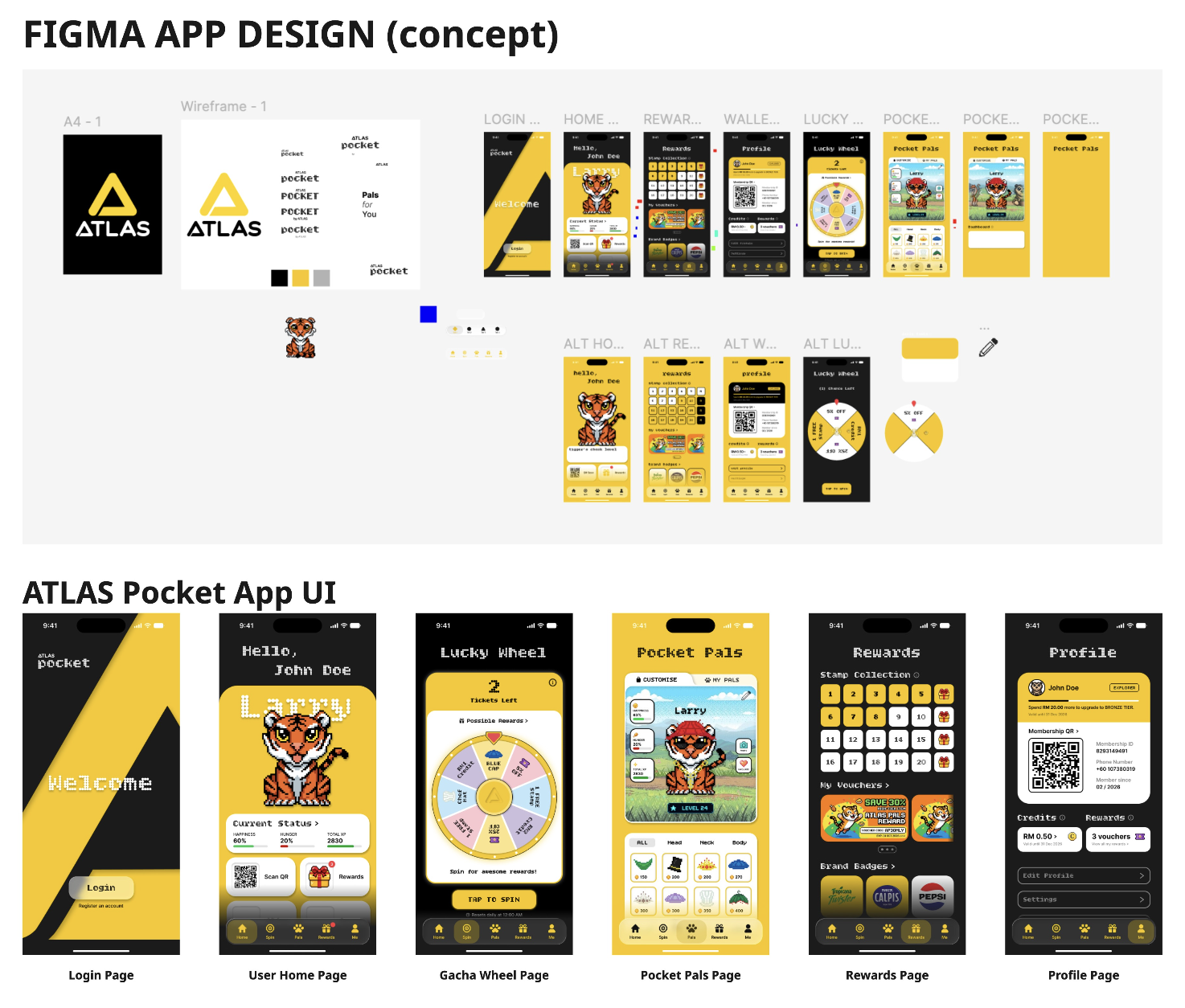
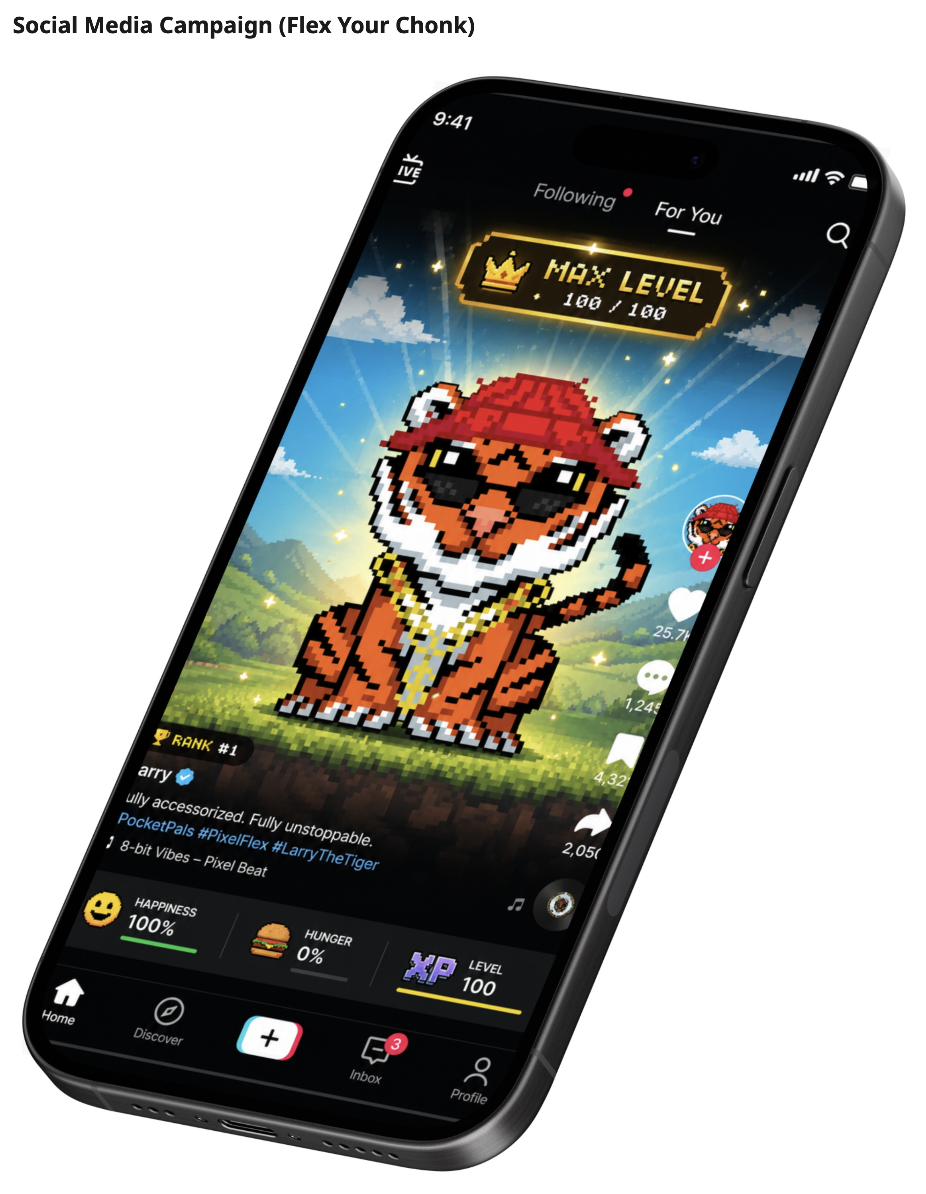
The mobile extension carries the pet beyond the vending moment. It holds progress, rewards, and character interactions in one place, making repeat engagement feel continuous rather than transactional.
07 — Feasibility
Built on what already exists
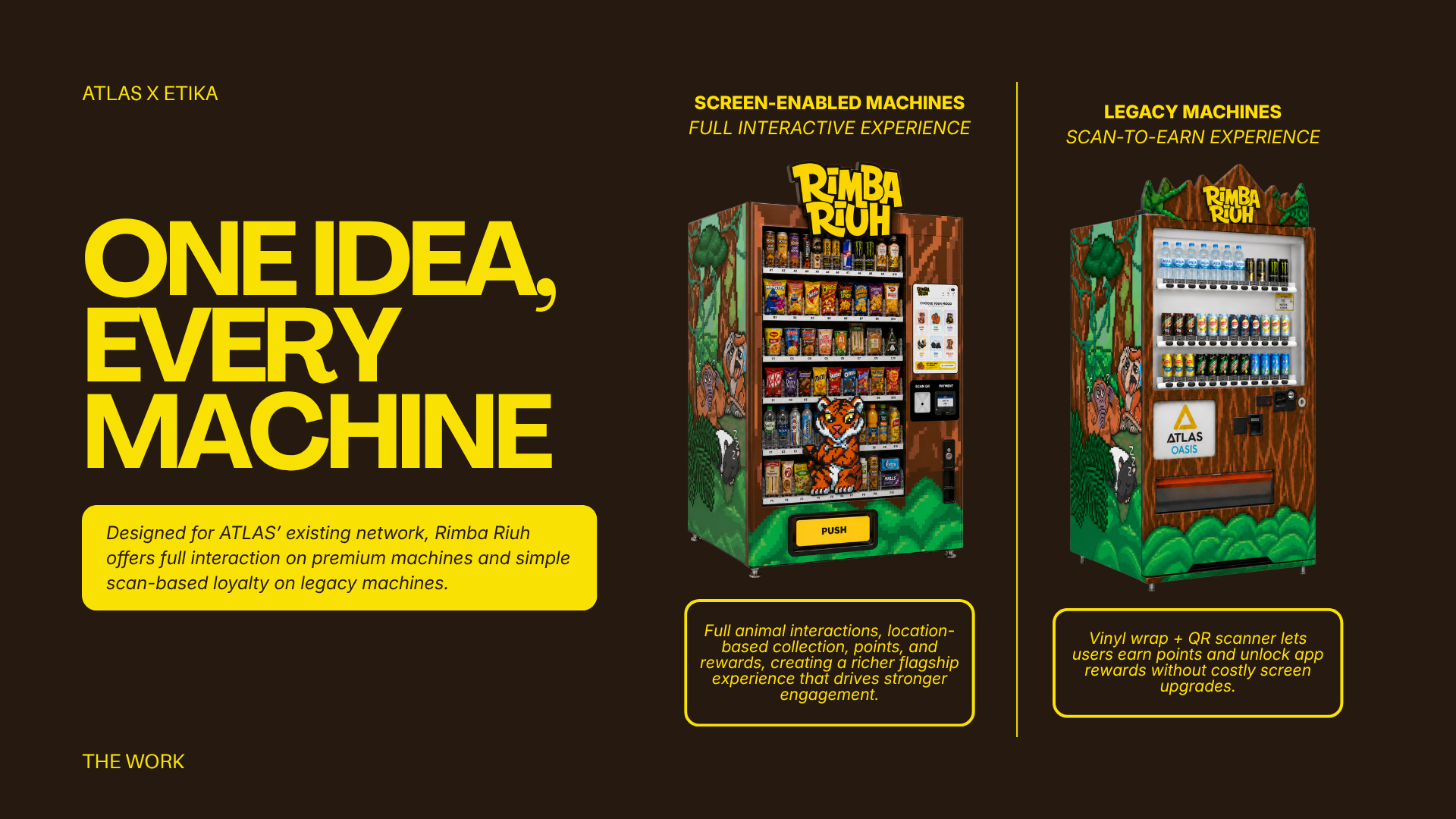
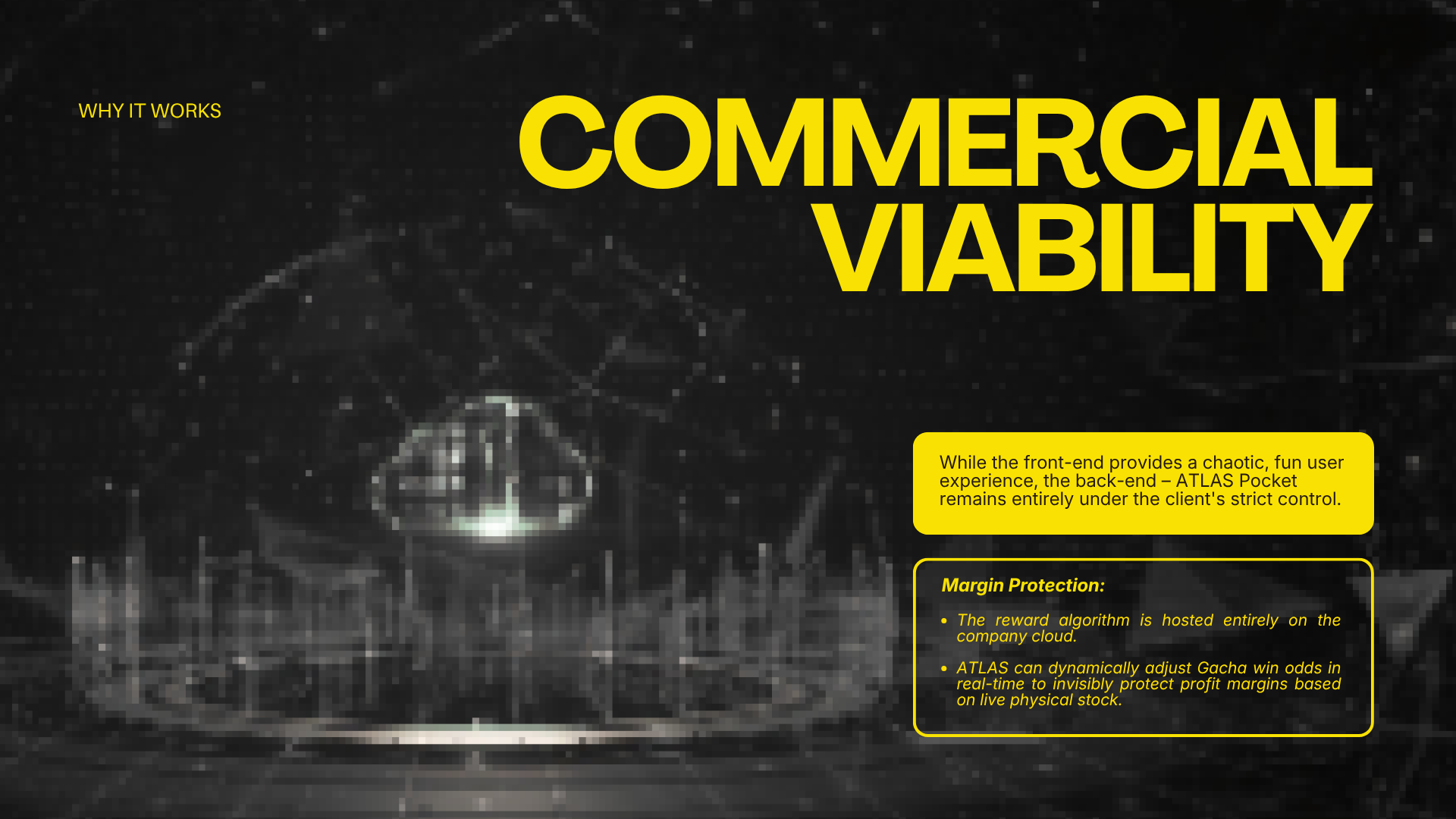
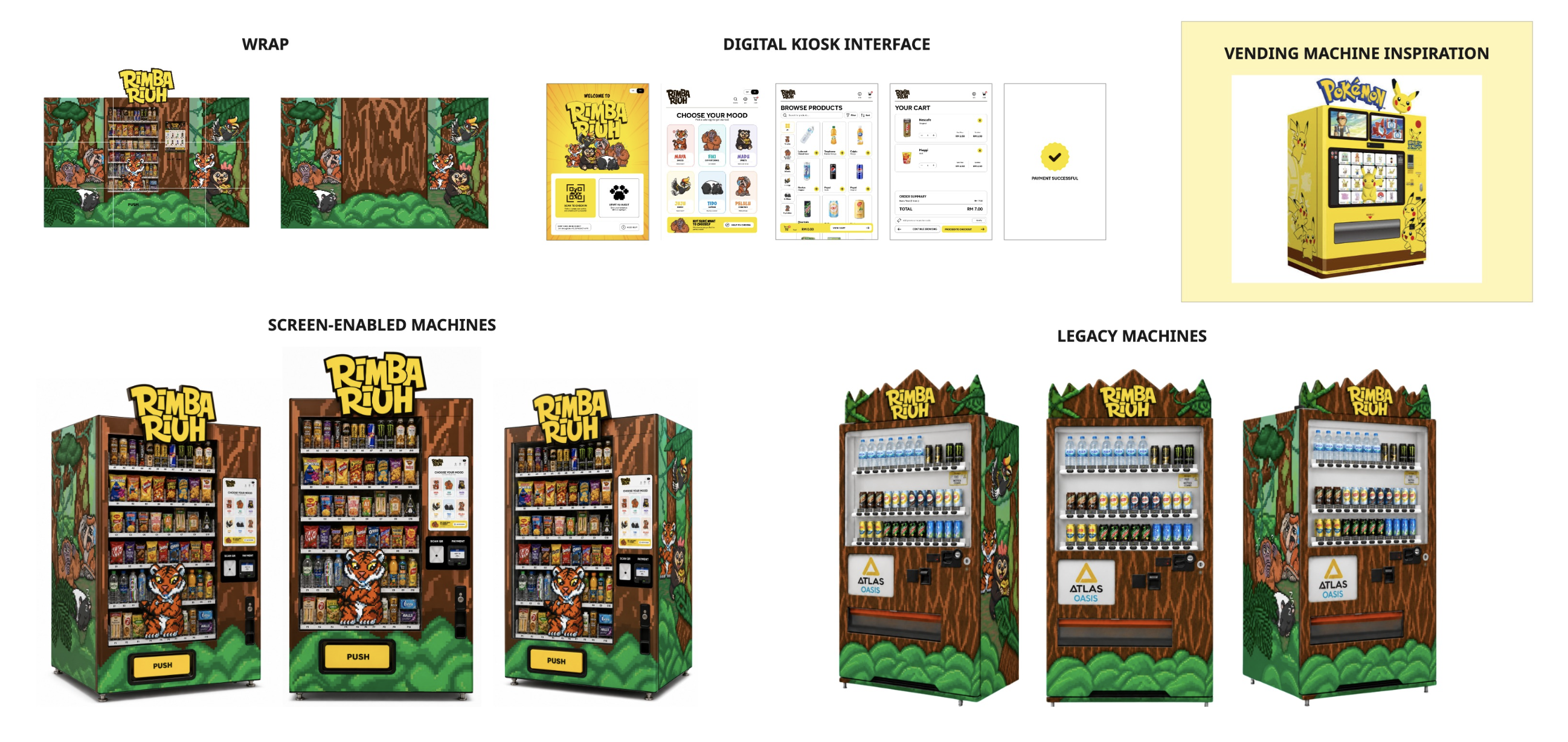
The proposal reuses the existing machine network and adds a layered digital experience rather than demanding an entirely new infrastructure. Cultural familiarity and commercial repeatability work together.
08 — Campaign execution
From machine to public ritual
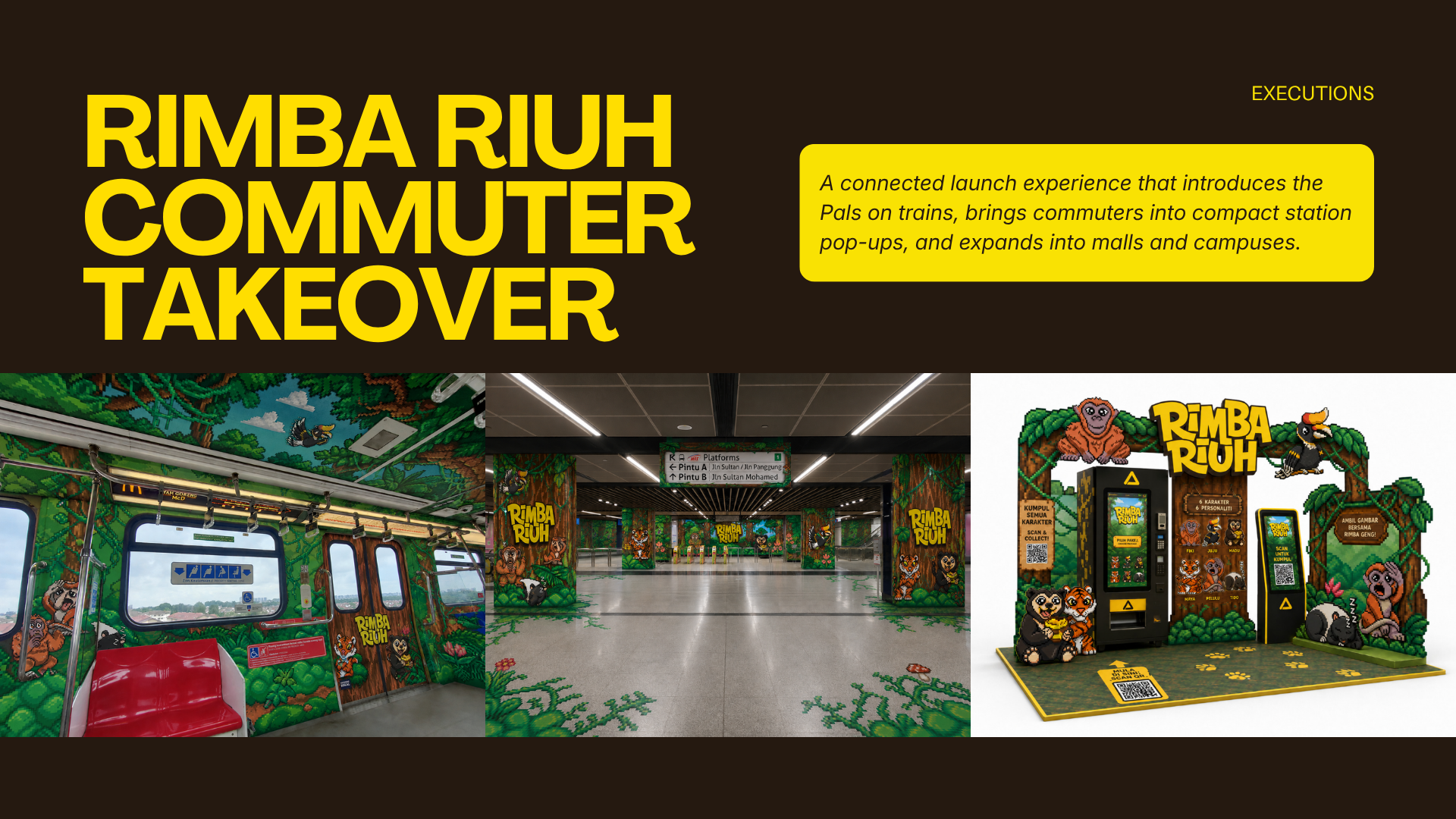
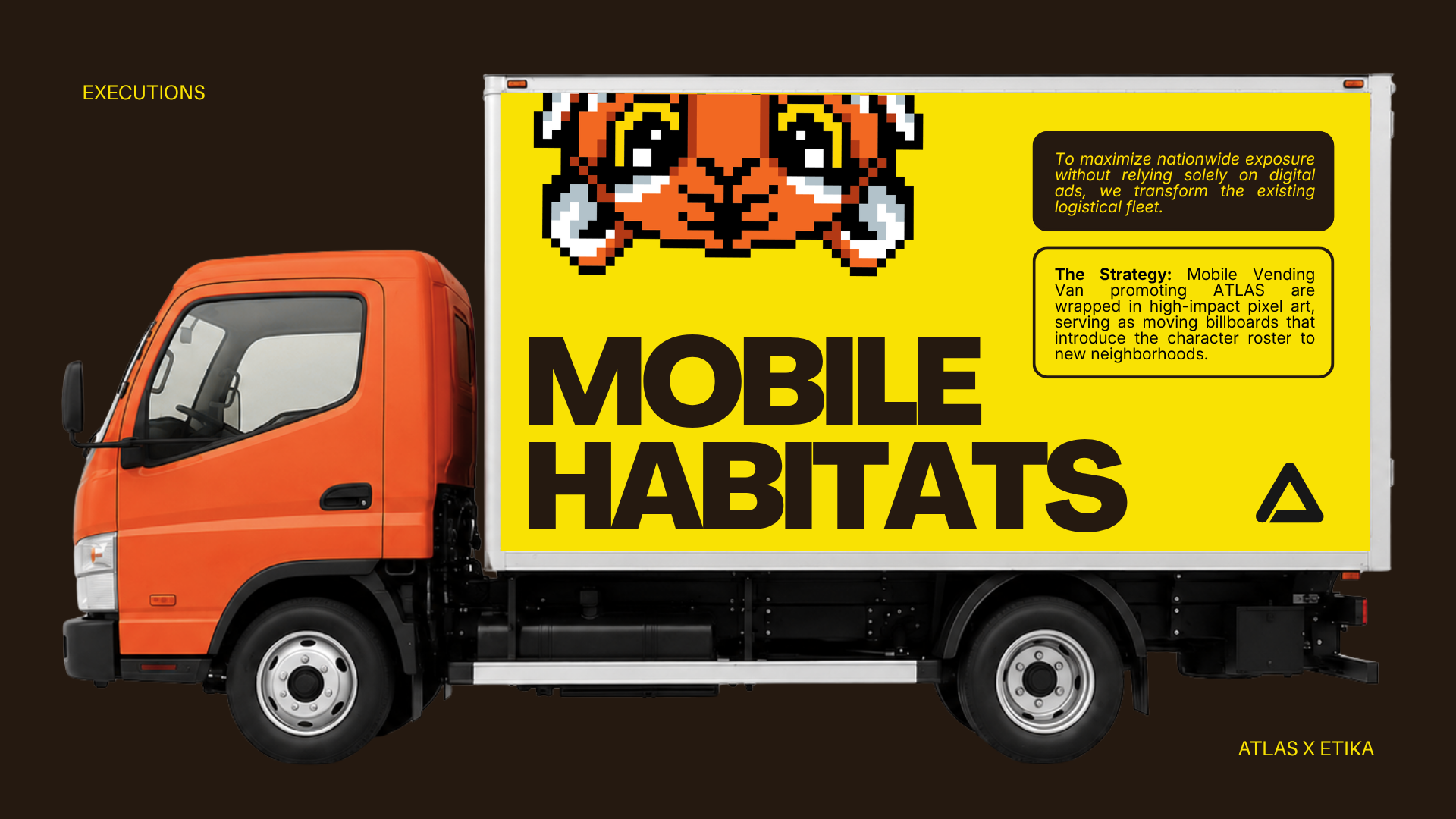
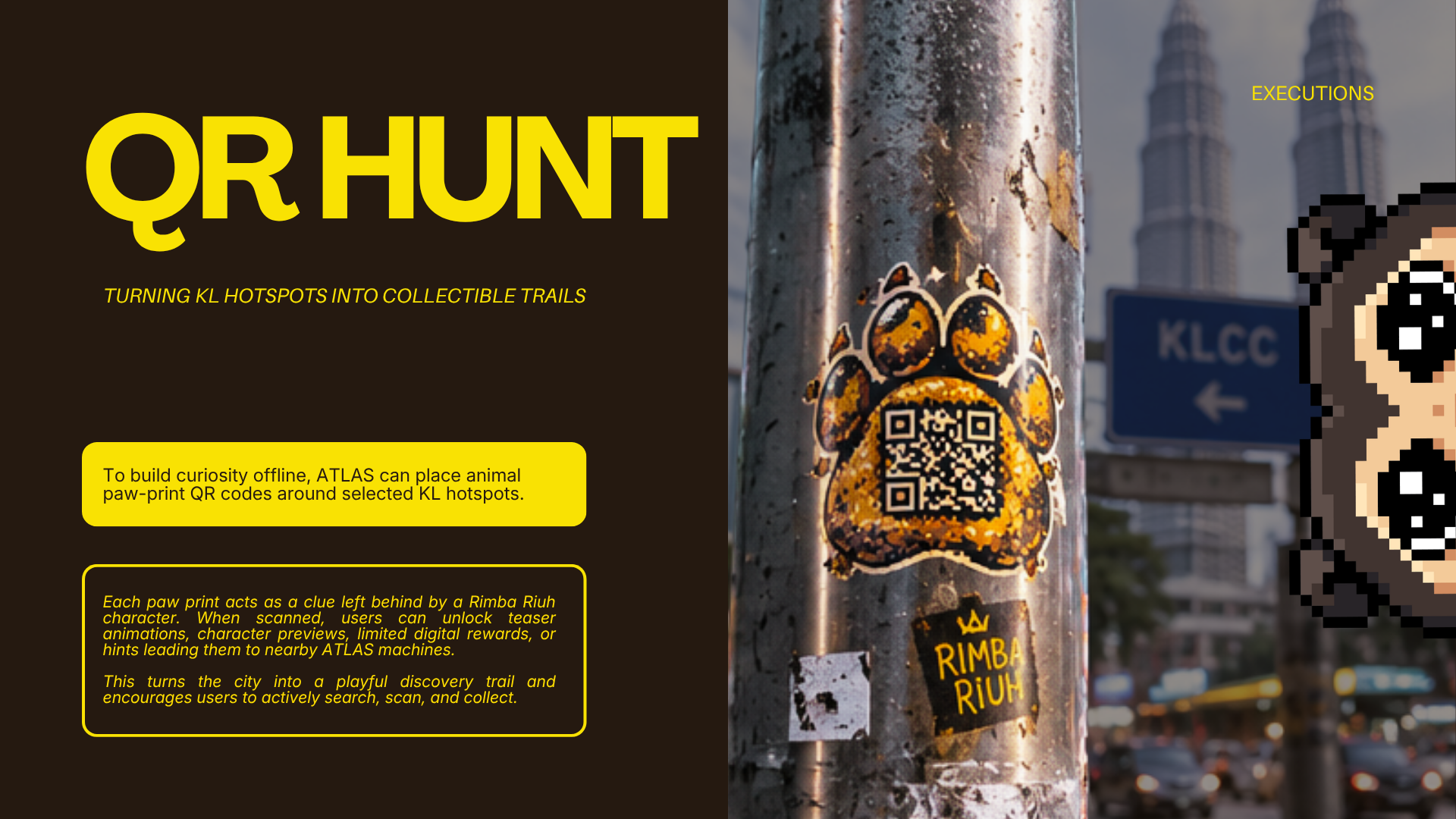
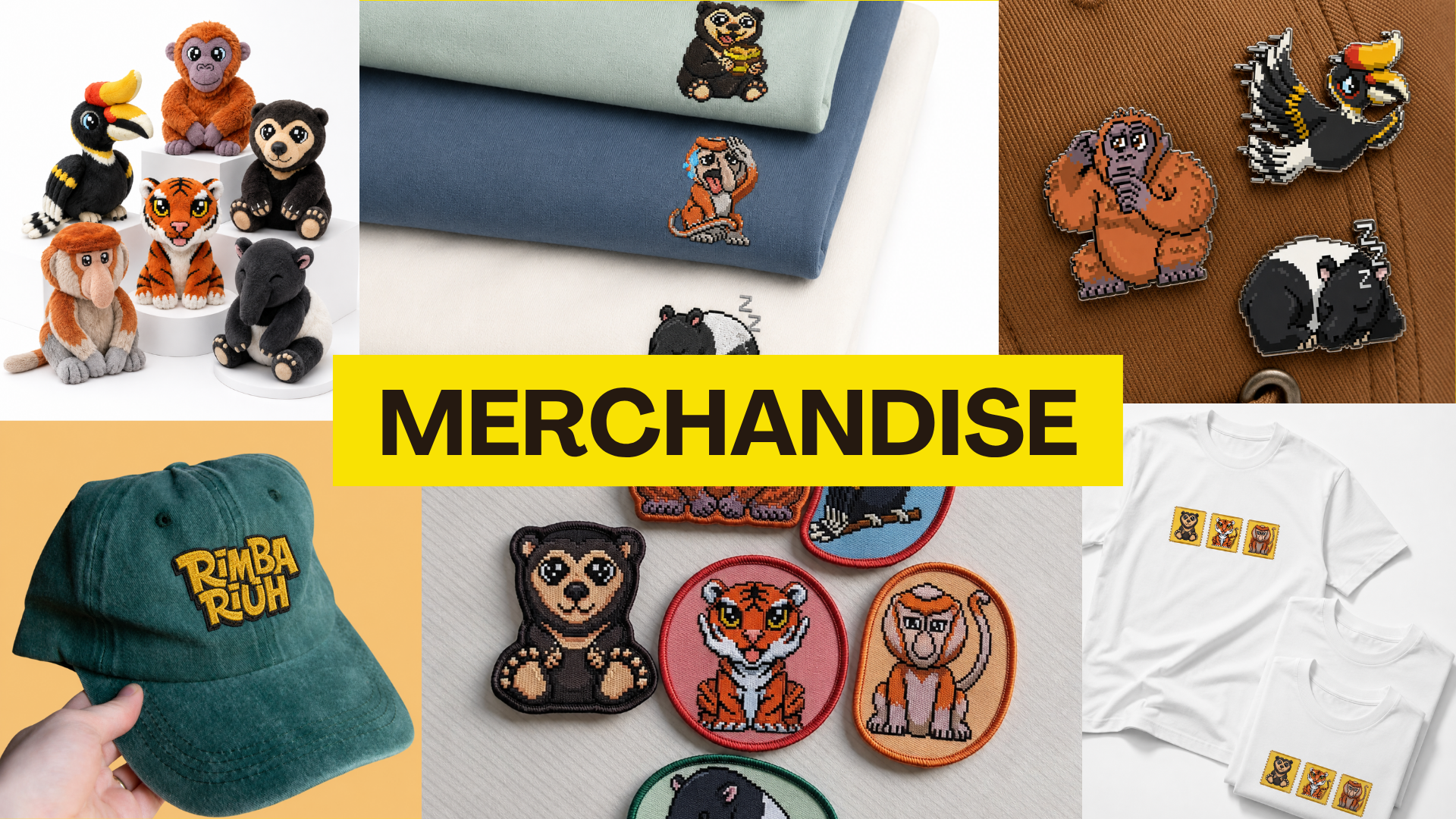
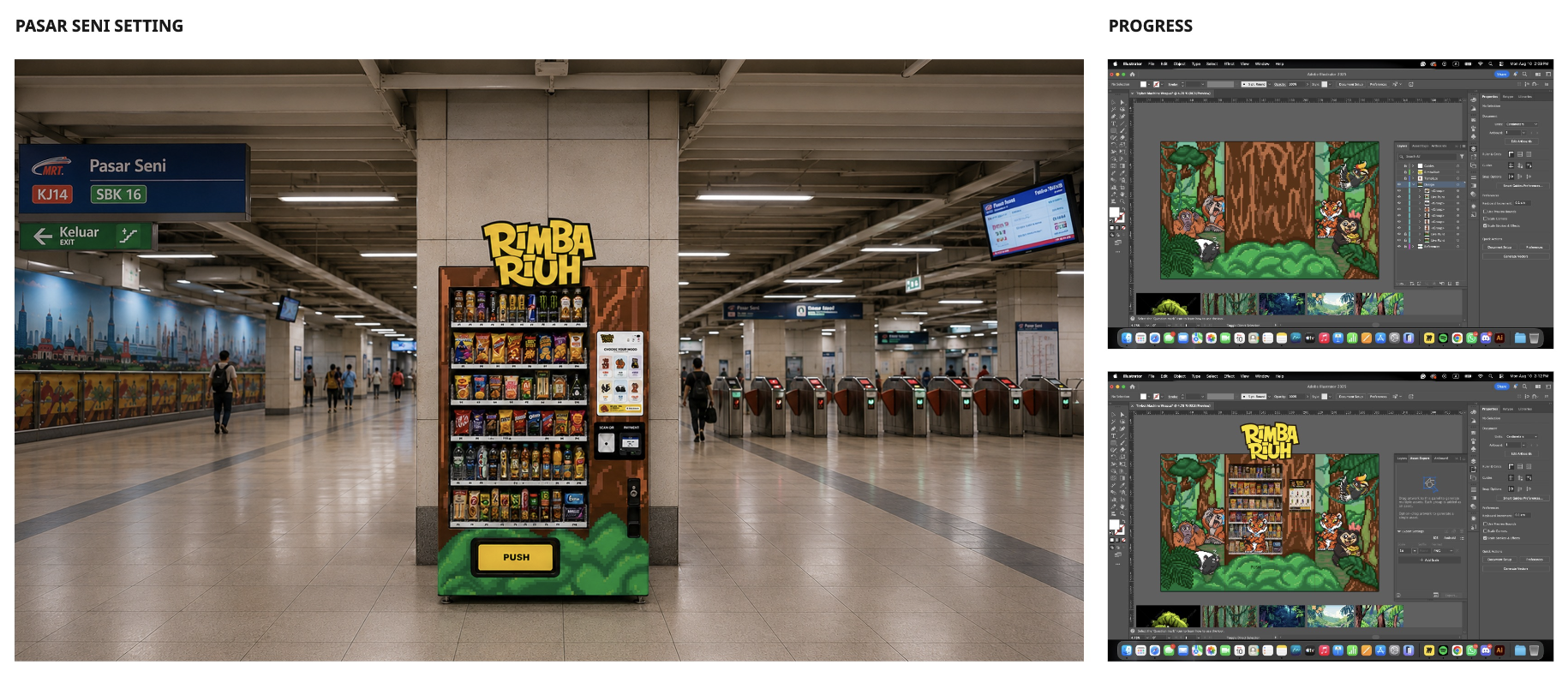
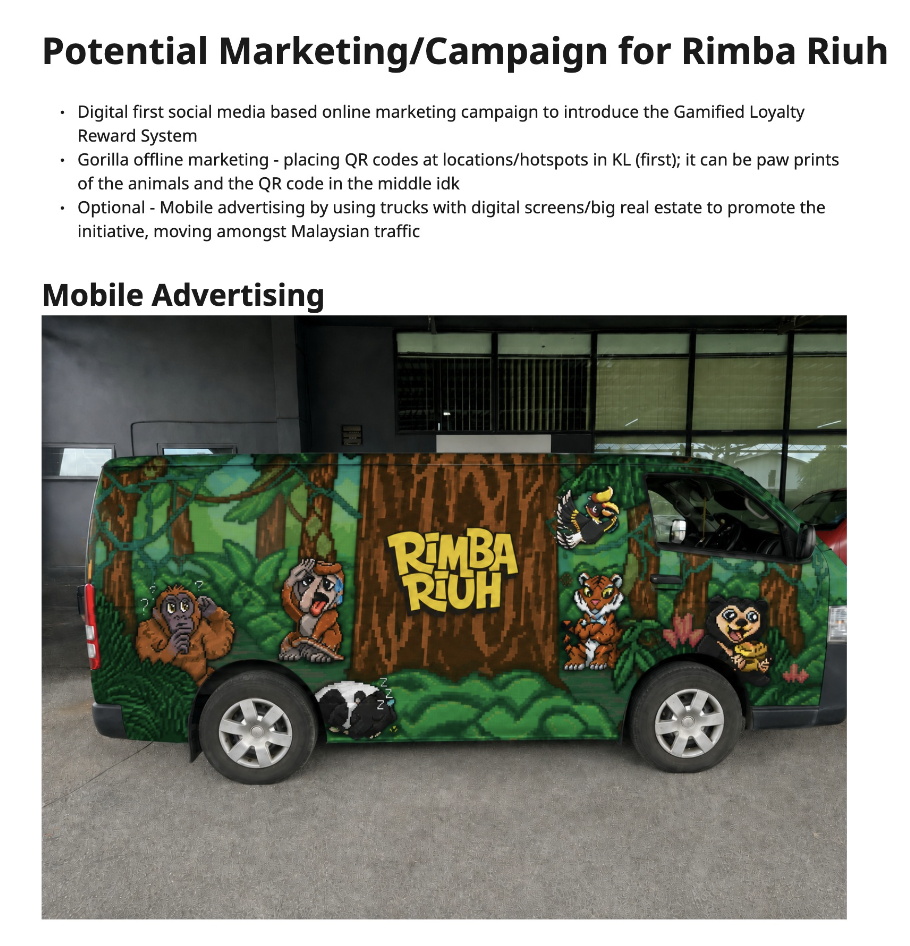
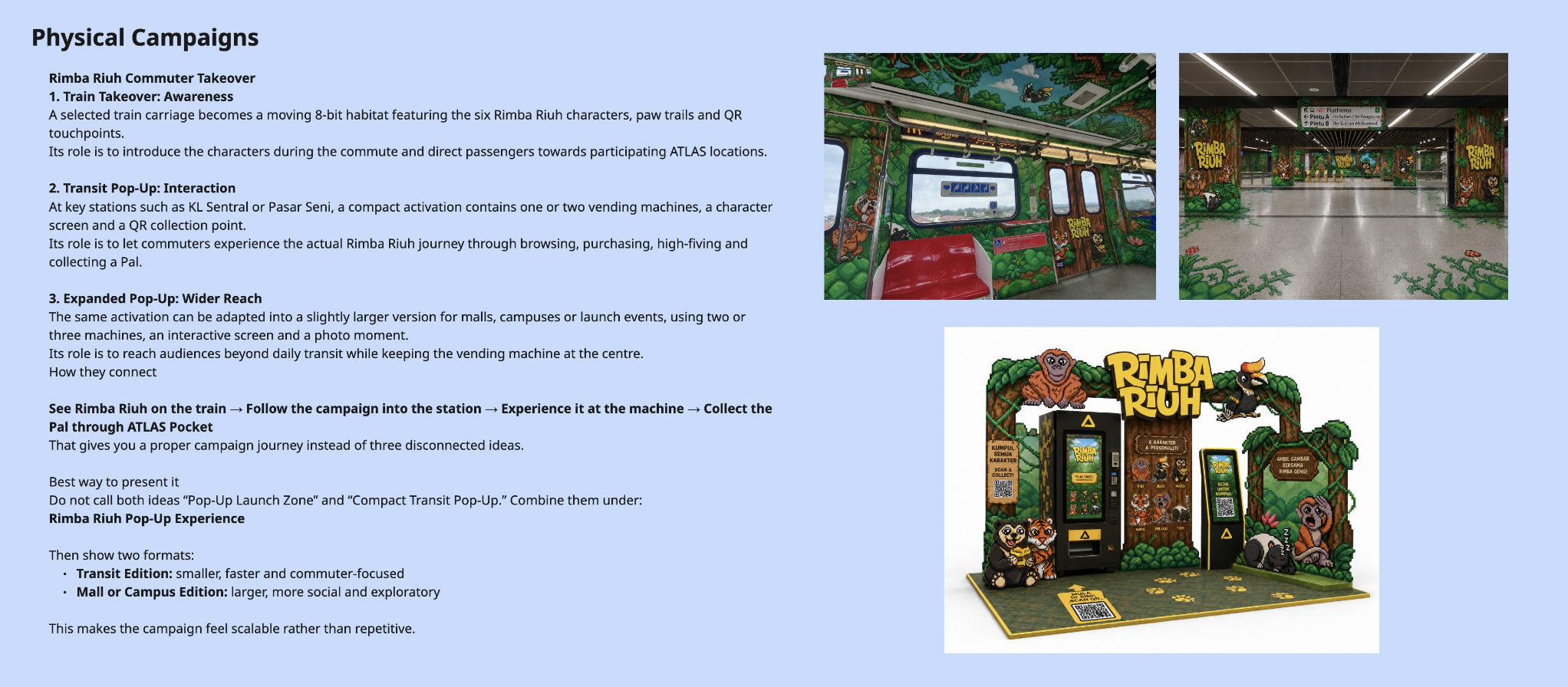
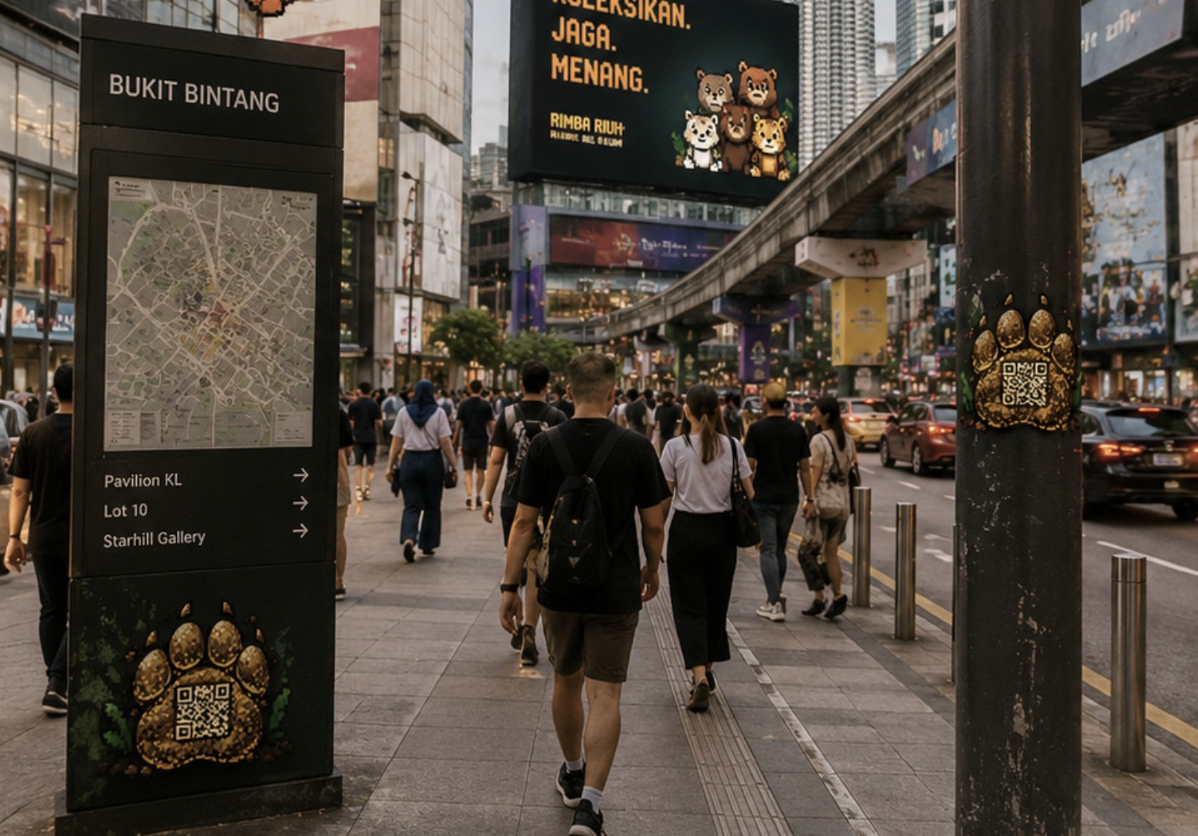
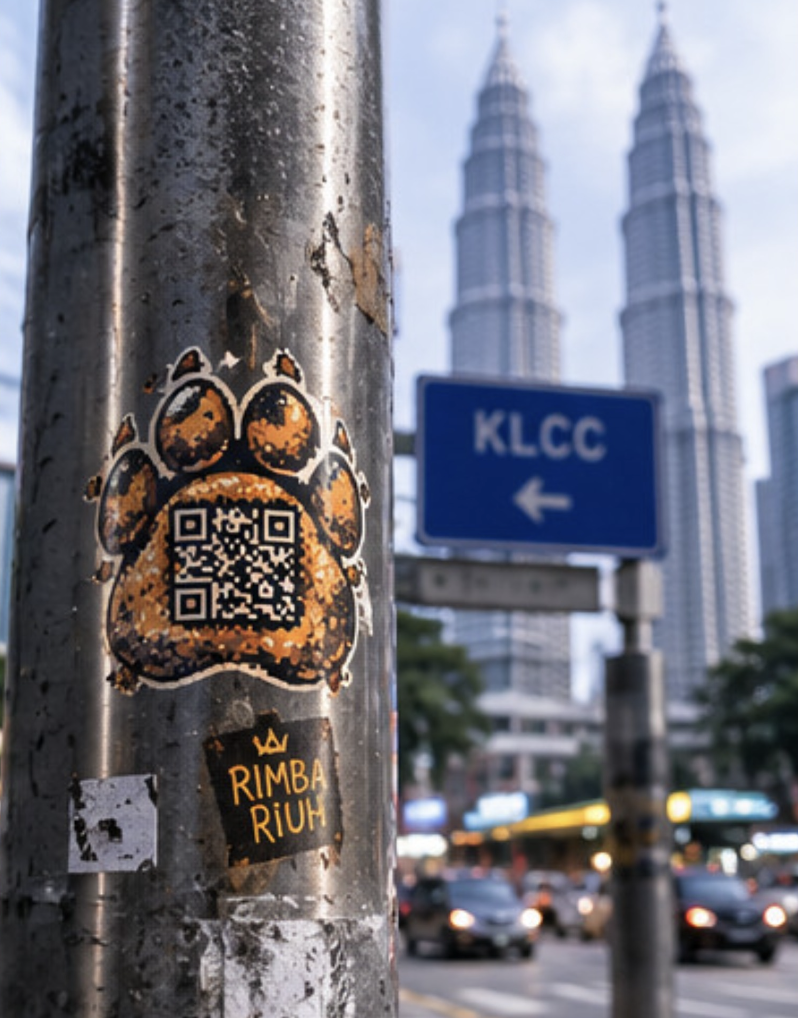
The campaign expands through contextual touchpoints that introduce the pets, explain the care loop, and give commuters reasons to notice and revisit the machines.
09 — Story & design development
Building the case, frame by frame
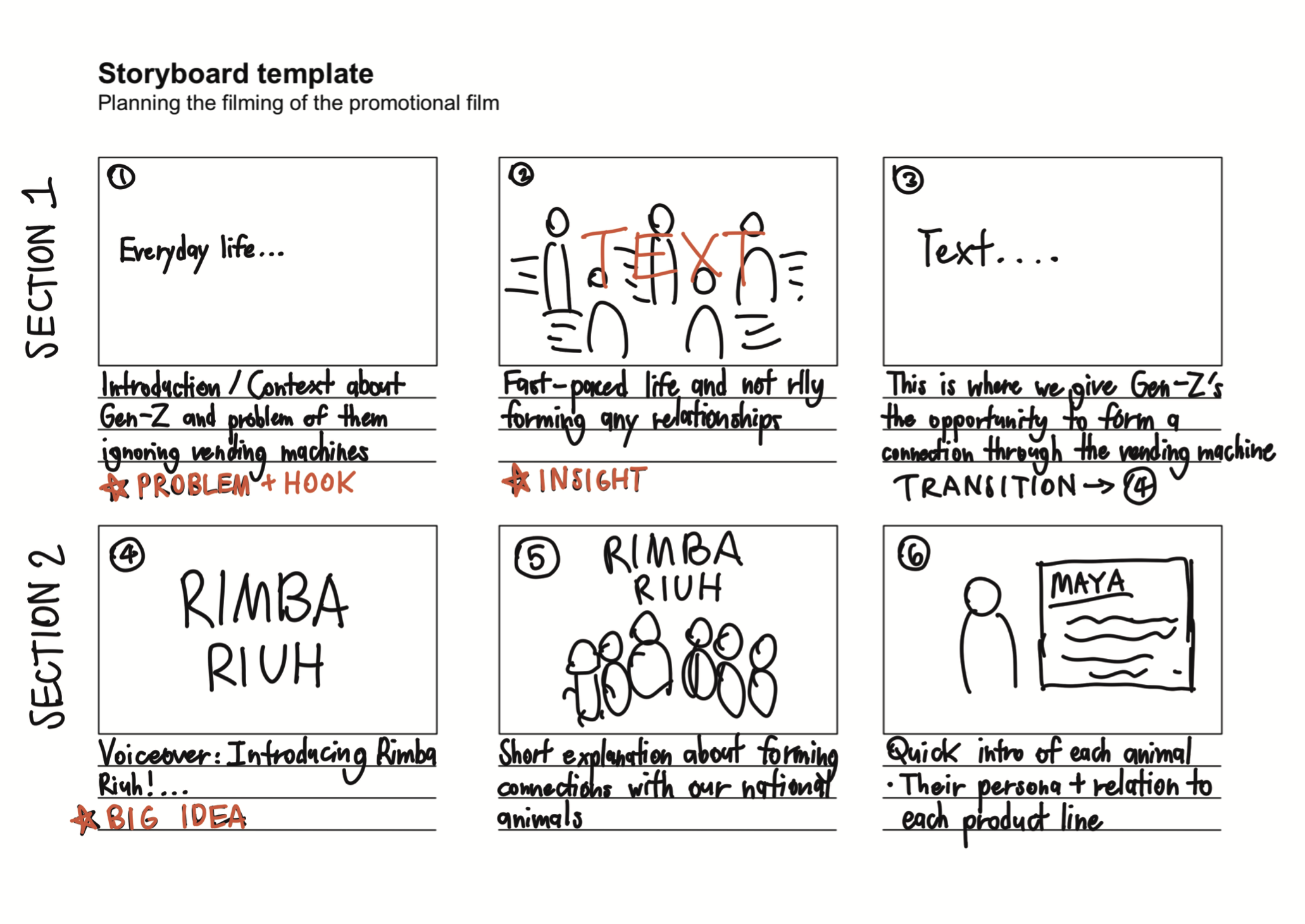
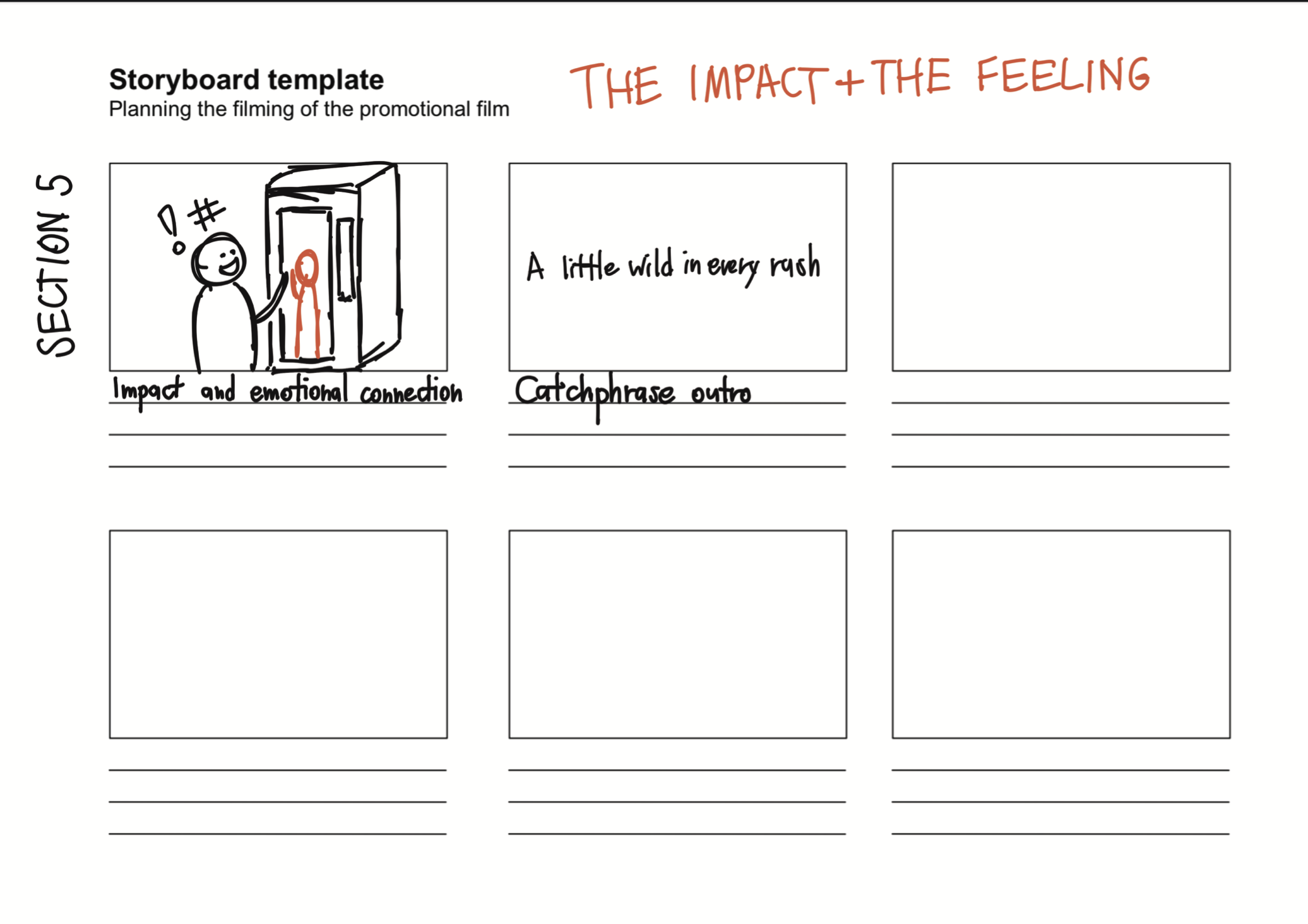
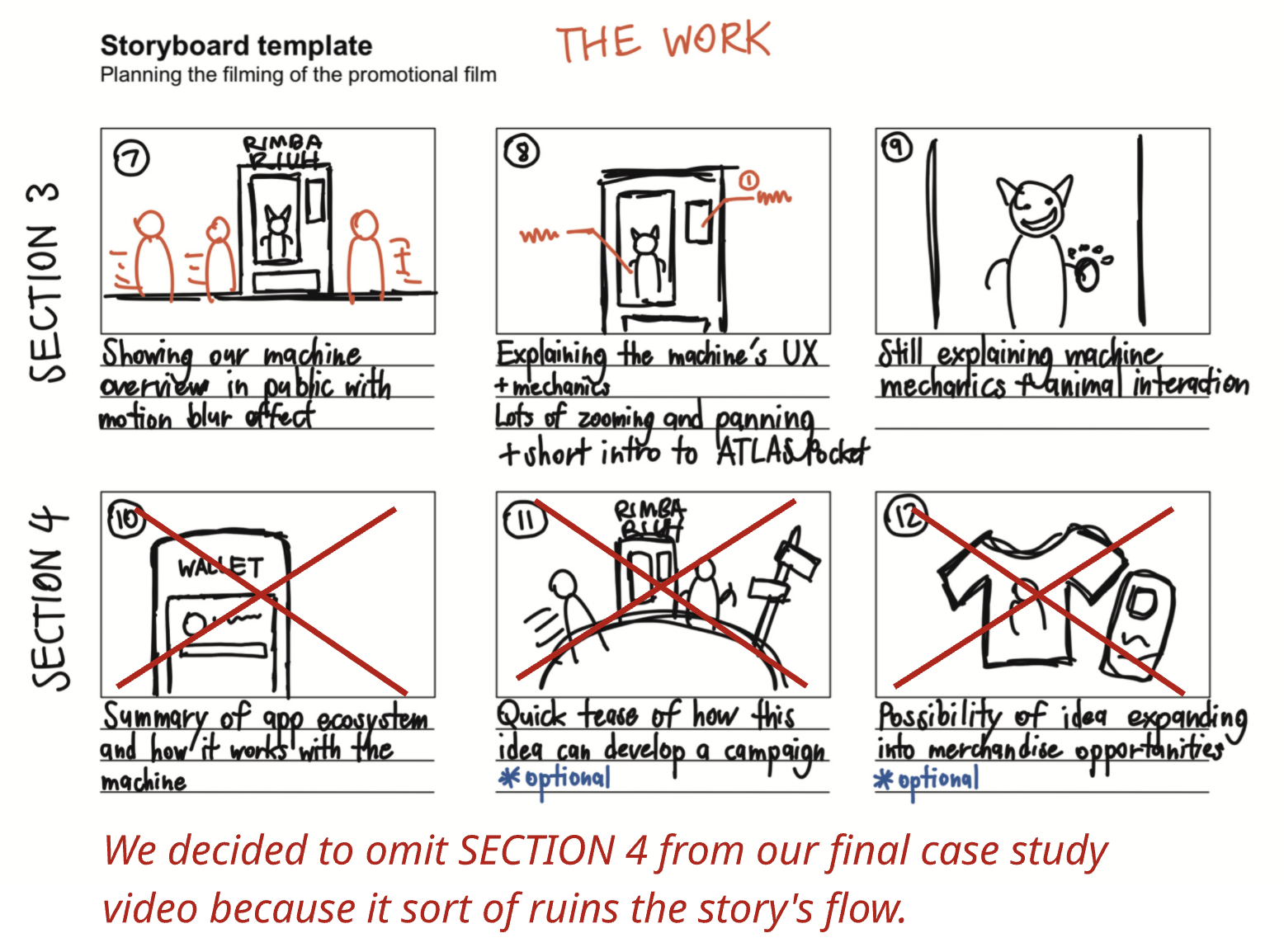
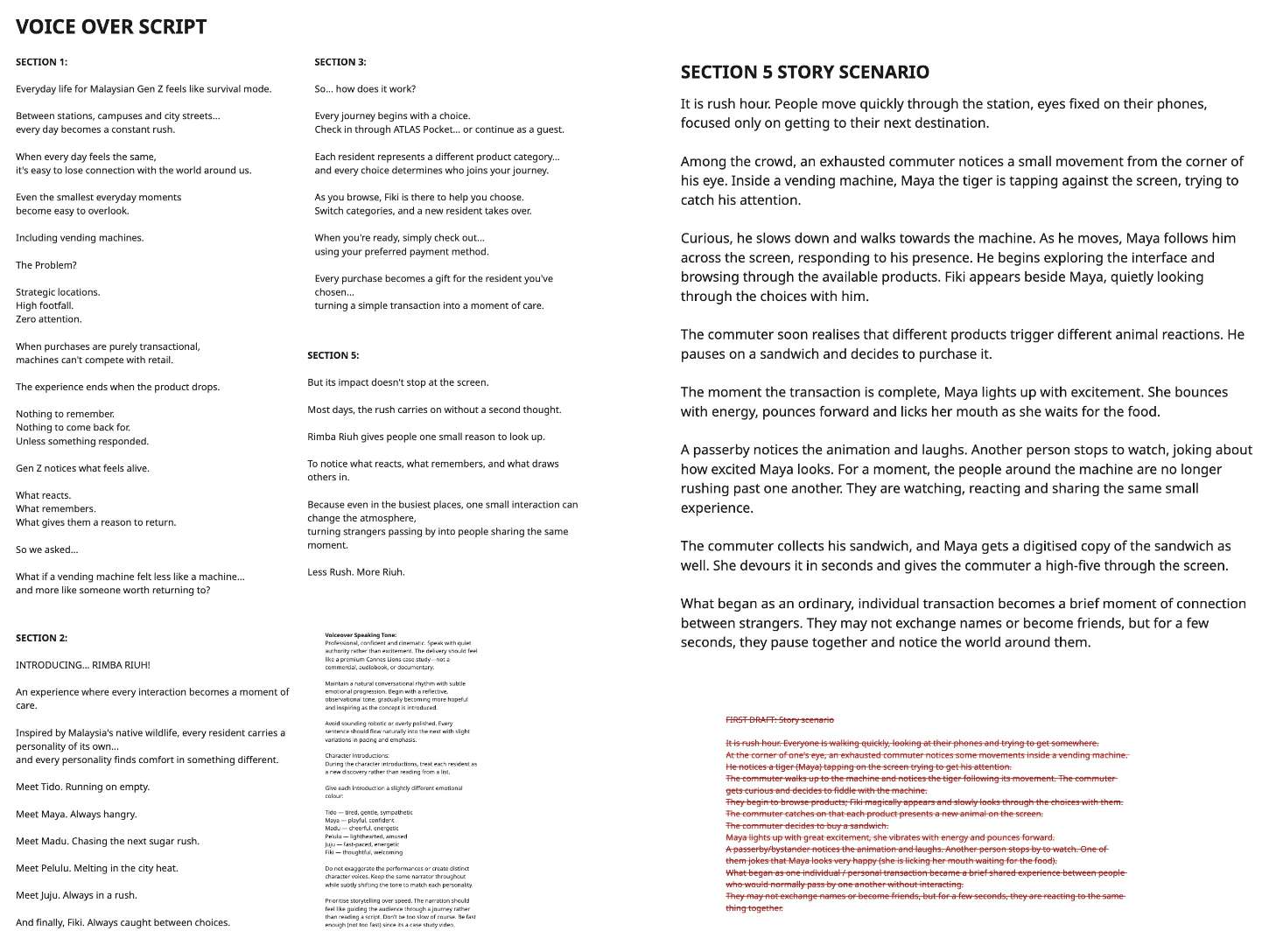
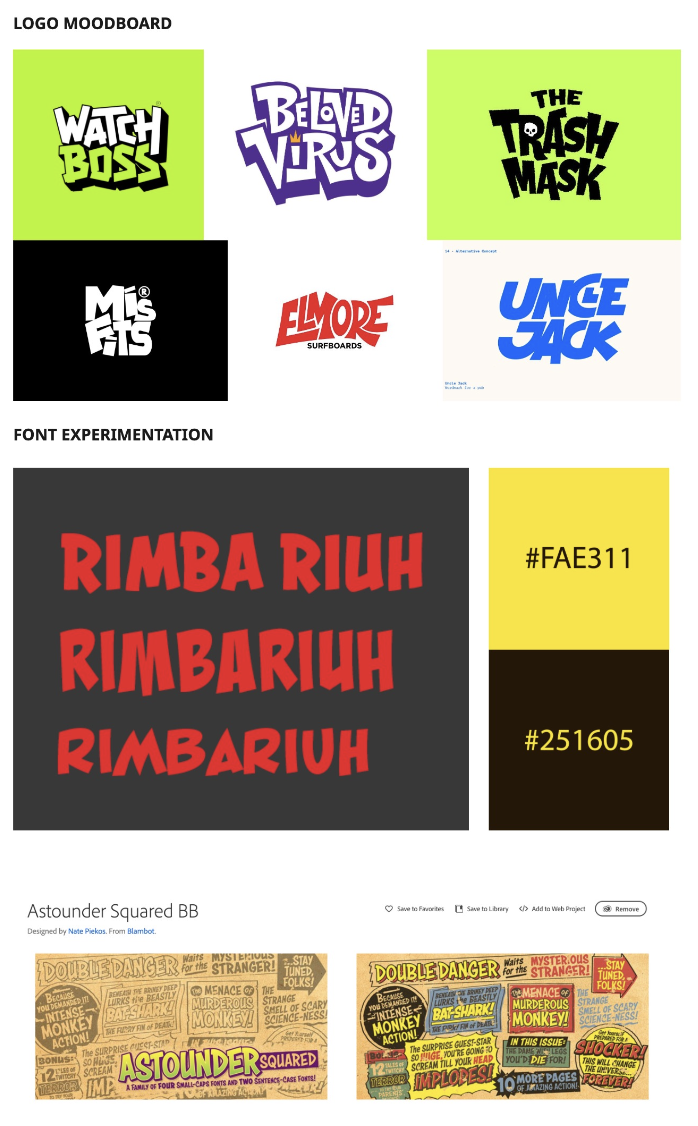
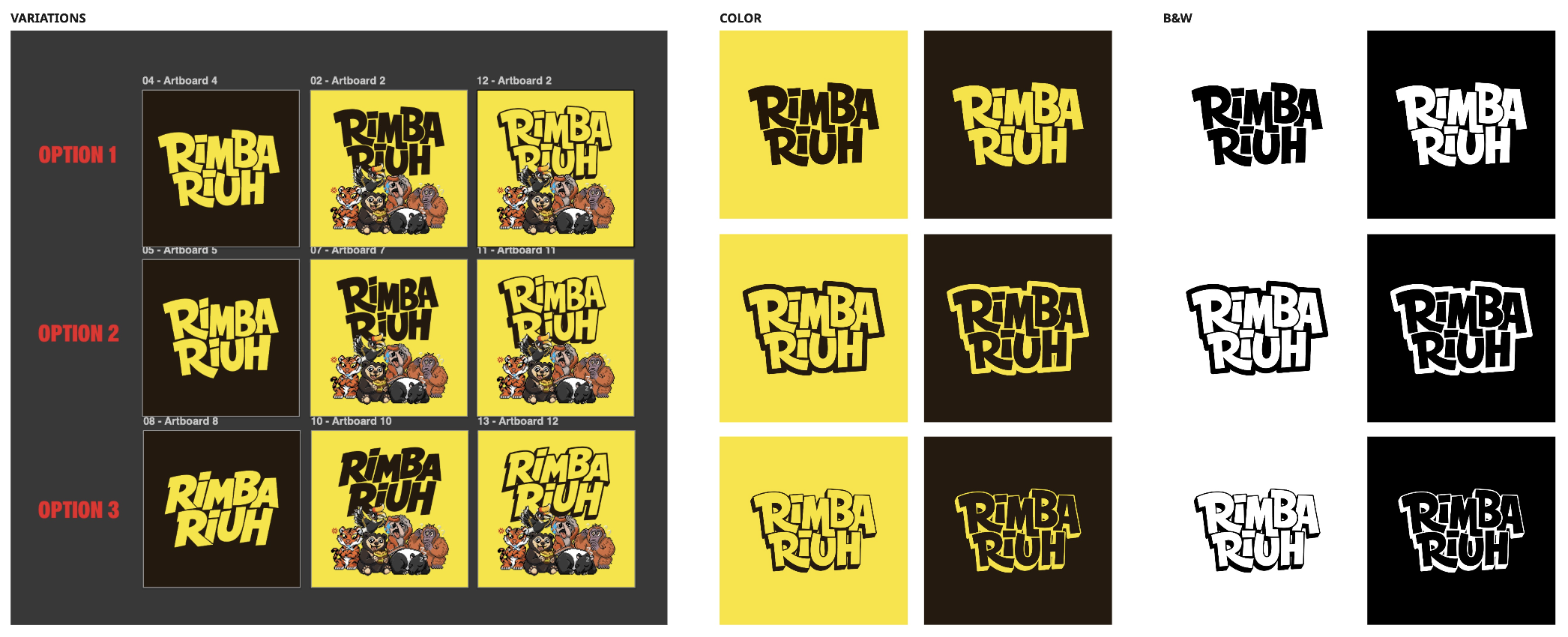
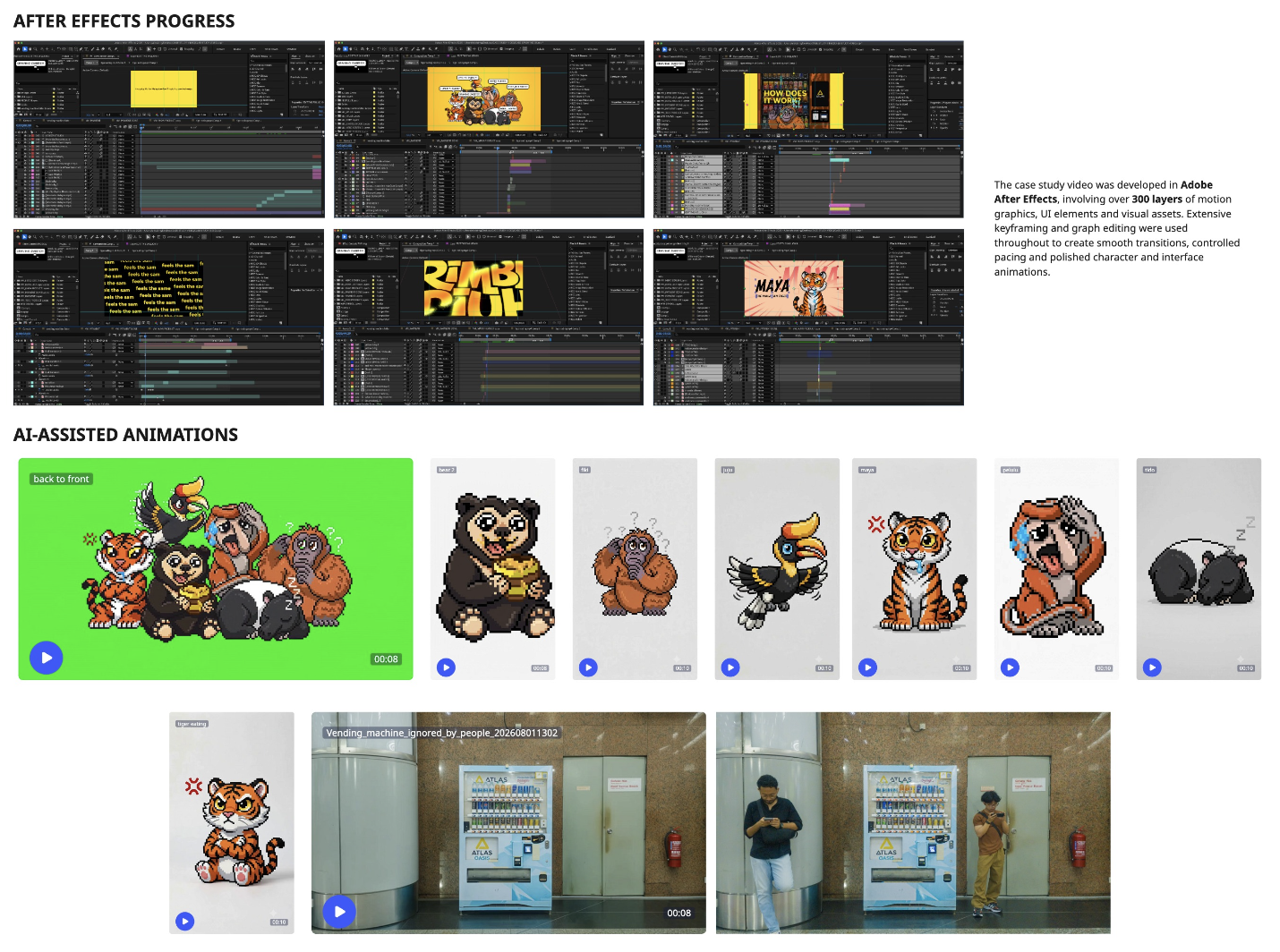
Storyboards shaped the case-study narrative before the visual system was refined through interface studies, motion tests, character applications, and pitch layouts.
10 — Final pitch
Less Rush. More Riuh.
The final case study brings the strategy, character system, experience mechanics, and campaign together as one pitch. The finished film and complete 30-page deck bring the strategy, character system, experience mechanics, and campaign into one presentation.

.svg)
Alistair Ng
alistair.ngyc@gmail.com